Understanding the Structural Steel Installation Process
Structural steel installation is a critical component in the construction of modern buildings. This method involves the assembly of steel elements to create a framework that supports the structure. Proper execution of this process ensures that buildings are safe, durable, and efficient. To explore the nuances of structural steel installation, we must first define its various aspects and components.
Defining Structural Steel Installation
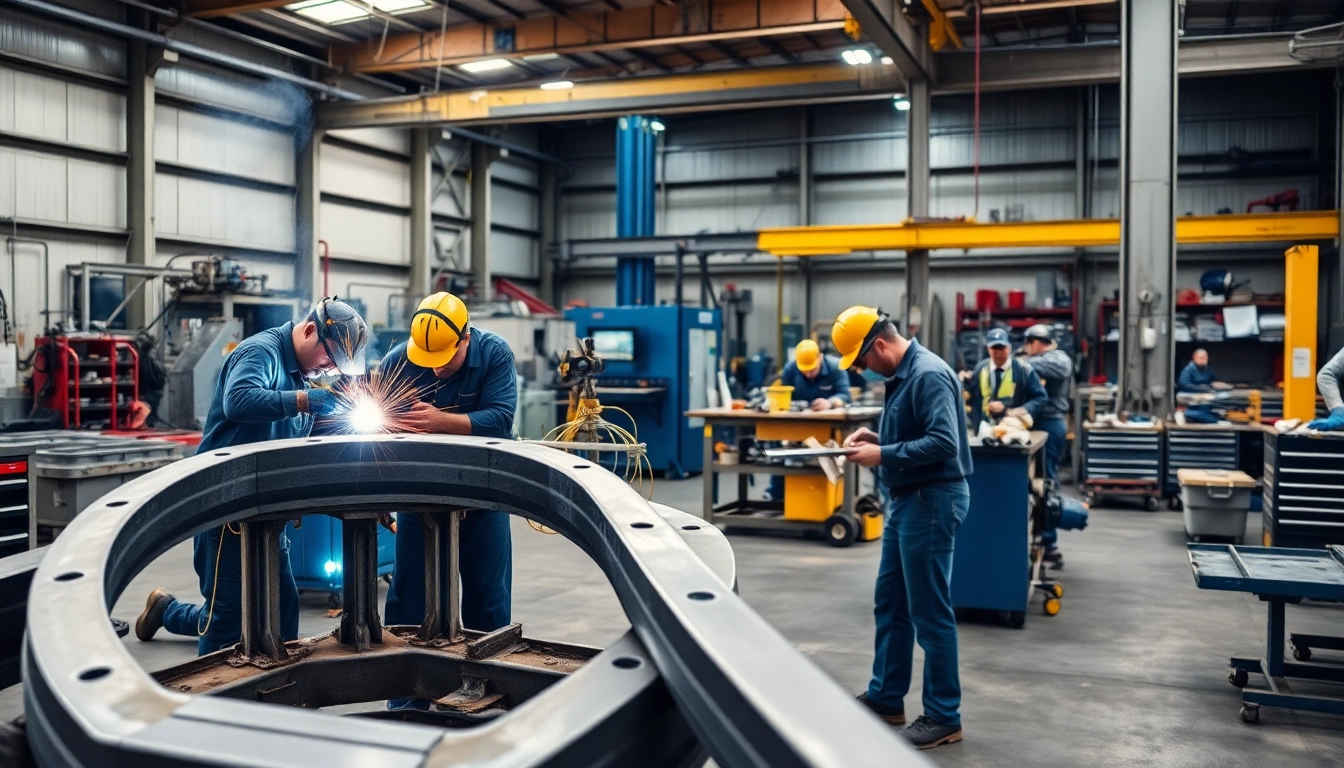
Structural steel installation encompasses all activities involved in assembling steel elements on a construction site. This typically includes hoisting, connecting, welding, and bolting steel components into a unified structure. The main goal is to ensure maximum stability and integrity once the steel frame is erected. Subsequently, this structure will support floors, roofs, and walls, forming the basic skeleton of the building.
Key Components Involved
Several key components are integral to the structural steel installation process:
- Steel Beams and Columns: These foundational elements bear the weight of the structure, transferring loads to the ground.
- Bracing Systems: These added components provide lateral stability, preventing twisting or swaying in heavy winds or seismic events.
- Connection Components: Bolts, welds, and rivets are used to secure steel members together, ensuring a robust and solid structure.
- Temporary Supports: Often required during initial construction phases to hold up loads while final connections are made.
Importance of Proper Planning
Planning is crucial in the structural steel installation process. This includes understanding the building design, creating a detailed erection plan, and scheduling construction sequences. Effective planning reduces the risk of costly delays and safety incidents, facilitating smoother operations on-site. The planning phase should also include securing necessary permits, coordinating with subcontractors, and ensuring compliance with building codes and safety regulations.
Essential Steps in Structural Steel Installation
Pre-Installation Safety Assessments
Before any steel structure is erected, rigorous safety assessments must be performed. This includes:
- Site Inspection: Evaluating the construction site for any potential hazards like underground utilities or unstable soil.
- Equipment Check: Ensuring that Machinery like cranes and hoists are inspected, certified, and safe for operation.
- Personnel Training: All personnel should undergo safety training that covers the use of equipment and best practices for working at heights.
Step-by-Step Erection Procedures
The installation process is generally divided into several key steps:
- Preparation: Setting up the site, ensuring that all materials and equipment are readily available.
- Column Installation: Erecting columns to establish the main framework, usually with a crane.
- Beam Installation: Inserting beams between columns to create the network of support.
- Bracing: Installing bracing for lateral stability, often done immediately following beam placement.
- Frame Calibration: Ensuring that the structure is correctly aligned and vertically plumb. This is critical for safety and functionality.
- Final Connections: Bolting and welding all connections to ensure a solid hold.
Final Checks Before Completion
Once the installation is complete, thorough checks must be conducted:
- Inspection: A final inspection ensures that all components are adequately connected and that safety standards have been met.
- Documentation: All installation procedures should be documented for future reference and compliance.
- Clean-Up: Removing temporary supports and leftover construction materials to prepare for the next phases of construction.
Best Practices for Efficient Structural Steel Installation
Use of Modern Technology
Incorporating modern technology can significantly optimize the structural steel installation process. Techniques like Building Information Modeling (BIM) facilitate precise planning and visualization, helping teams anticipate issues before they arise. Additionally, advanced hoisting equipment improves safety and efficiency, enabling faster and safer navigation of heavy steel elements on site.
Training and Safety Regulations
A well-trained workforce is essential for ensuring that best practices are followed. Ongoing safety training, adherence to OSHA regulations, and certifications for equipment use are vital. By empowering workers with the knowledge and skills necessary to perform their tasks safely, companies can reduce the risk of accidents and delays.
Quality Control Measures
Implementing rigorous quality control measures is essential for the successful installation of structural steel. This might include:
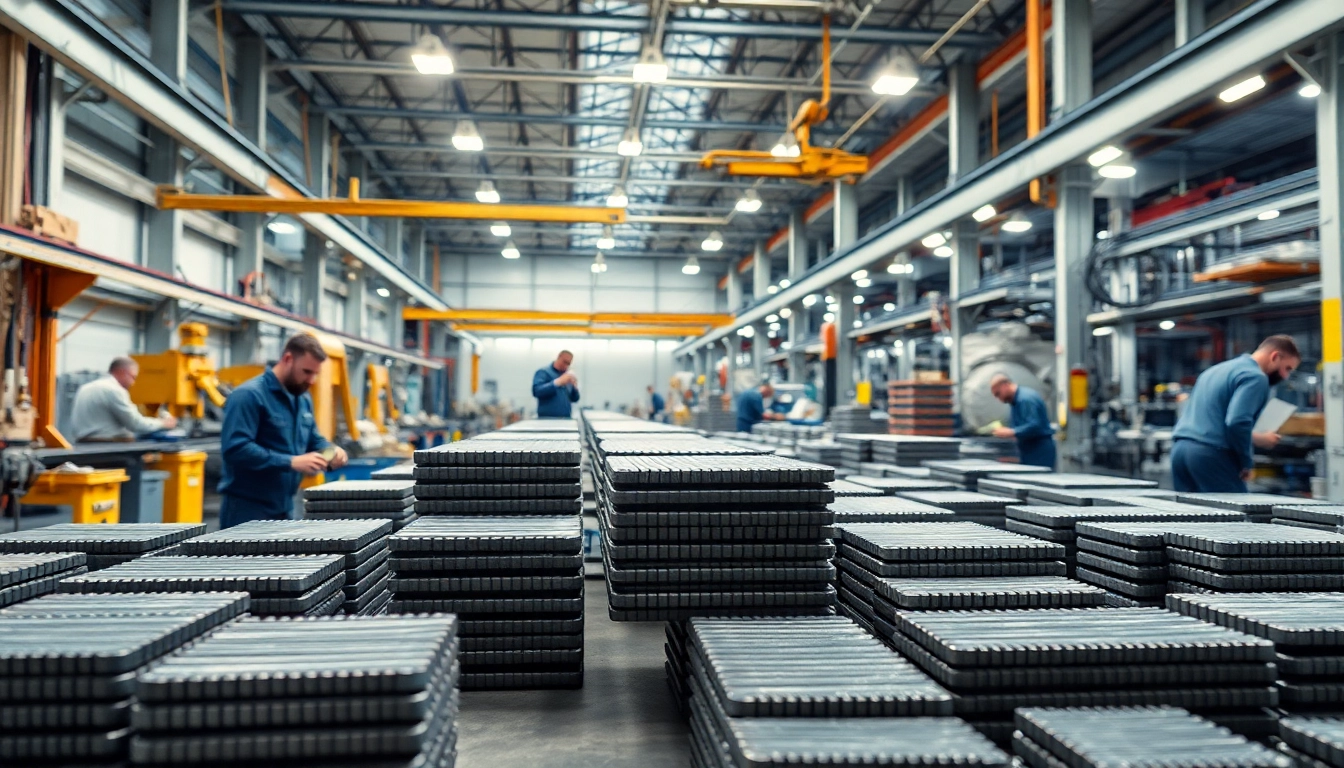
- Material Inspection: Checking the quality of the steel upon delivery.
- Regular Audits: Conducting audits during and after the installation process to ensure compliance with standards.
- Feedback Loops: Establishing a feedback system for crews to report any anomalies or issues encountered on-site for immediate remediation.
Common Challenges in Structural Steel Installation
Dealing with Unexpected Delays
Delays are common in construction projects, typically stemming from weather, supply chain issues, or design changes. To mitigate these challenges, it’s crucial to maintain communication with suppliers and set realistic timelines. Developing contingency plans can also help address unforeseen issues without derailing the entire project.
Addressing Safety Concerns
Safety is paramount in structural steel installation. To combat risks, companies should foster a culture of safety, encouraging workers to speak up about unsafe conditions. Implementing clear safety protocols and conducting regular safety drills can also promote awareness and preparedness among all personnel.
Managing Environmental Factors
Installation work often takes place in environments affected by shifting weather patterns. Planning for seasonal variations, such as scheduling sensitive tasks ahead of time or investing in protection for equipment, can minimize delays and optimize operations. Additionally, companies should stay updated on local regulations concerning environmental impacts to ensure compliance.
Future Trends in Structural Steel Installation
Adoption of Sustainable Practices
As sustainability becomes increasingly important in construction, efforts to reduce waste and CO2 emissions will shape future structural steel installations. Techniques such as reusing and recycling steel, optimizing logistics to minimize transportation emissions, and selecting eco-friendly coatings are steps toward a greener construction industry.
Innovations in Steel Materials
Future advancements in materials science are likely to produce lighter and more resilient steel types, leading to structures that are both stronger and cheaper to install. These innovations may include high-strength steel alloys and the use of corrosion-resistant coatings that extend the lifecycle of installations, reducing maintenance requirements.
The Role of Automation and Robotics
Automation and robotic technologies are set to revolutionize structural steel installation practices. Robotics can handle repetitive tasks efficiently, reducing labor costs and minimizing human error. The rise of automated hoisting systems and guided robotics will pave the way for more productive operations while increasing safety on construction sites.
Frequently Asked Questions (FAQs)
1. How is structural steel installed?
The installation involves assembling steel components into a structural frame on-site. This usually includes lifting and placing components and connecting them through bolting or welding.
2. What materials are typically used in structural steel installations?
Common materials include steel beams, columns, braces, and connectors such as bolts and welds, all of which contribute to creating a stable framework.
3. How long does the structural steel installation process take?
The duration varies based on project size and complexity, but a well-planned installation can often be completed in a few weeks, depending on weather and resource availability.
4. What safety measures are implemented during installation?
Safety measures include site inspections, training on equipment use, regular safety drills, and adherence to OSHA regulations to ensure a safe working environment.
5. Can structural steel installation be done in adverse weather conditions?
While some aspects of structural steel installation can continue during adverse weather, planning for appropriate weather conditions is crucial. Delays may occur if conditions are deemed unsafe.