
- Introduction
- What Is GRP Grating?
- The Key Advantages of GRP Grating
- 1. Exceptional Strength-to-Weight Ratio
- 2. Superior Corrosion Resistance
- 3. Long-Term Cost Efficiency
- 4. Enhanced Safety Features
- 5. Versatility in Design and Application
- 6. Lightweight and Easy Installation
- Applications of GRP Grating in Modern Infrastructure
- 1. Industrial and Manufacturing Facilities
- 2. Marine and Offshore Structures
- 3. Water Treatment & Wastewater Plants
- 4. Transportation Infrastructure
- 5. Commercial and Public Spaces
- Environmental Impact and Sustainability of GRP Grating
- How GRP Grating Outperforms Traditional Materials
- GRP Grating vs Steel
- GRP Grating vs Aluminum
- GRP Grating vs Wood
- Why GRP Grating Is the Future of High-Performance Infrastructure
- FAQs About GRP Grating
- Conclusion
Introduction
In today’s rapidly evolving industrial landscape, the demand for safer, stronger, and more cost-efficient materials is greater than ever. Whether in construction, marine environments, chemical plants, or public infrastructure, organizations are turning toward advanced composite solutions that outperform traditional materials. Among these innovations, GRP Grating has emerged as a leading choice—reshaping how businesses and engineers think about durability, design flexibility, long-term value, and environmental impact.
This article explores why GRP Grating is becoming the preferred option for modern infrastructure projects across the globe. Covering its benefits, applications, technological advantages, installation efficiencies, and long-term cost savings, this comprehensive guide will help you understand exactly why GRP Grating is poised to dominate the future of high-performance infrastructure.
What Is GRP Grating?
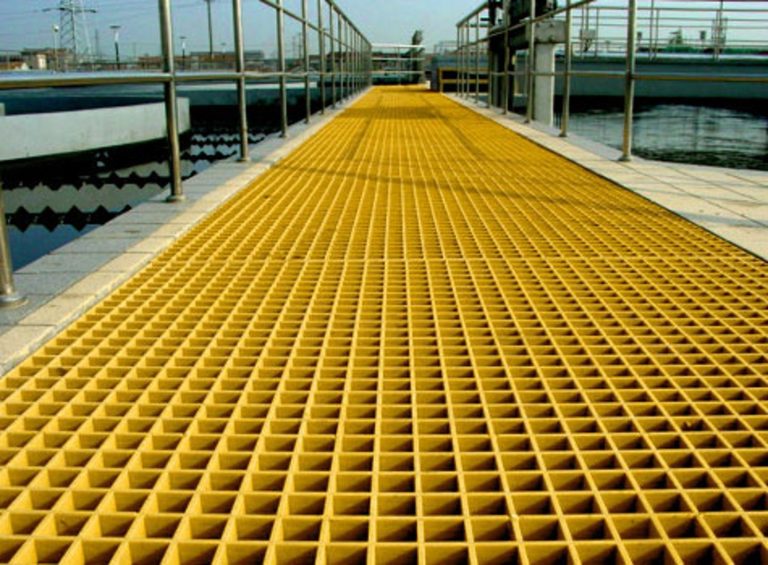
GRP Grating (Glass Reinforced Plastic Grating) is a composite material made from reinforced fiberglass and high-quality resin. It is engineered to deliver outstanding mechanical strength while remaining lightweight, corrosion-resistant, and extremely durable.
How GRP Grating Is Made
The manufacturing process typically includes:
- Fiberglass reinforcement laid in alternating directions for strength.
- Resin systems such as polyester, vinyl ester, or phenolic resin for chemical resistance.
- Molding or pultrusion, depending on the desired specifications.
Why GRP Grating Stands Out
Unlike steel, wood, and aluminum, GRP Grating does not rust, warp, or rot—making it suitable for even the harshest environments. This combination of resilience and versatility is one of the key reasons its popularity has skyrocketed across multiple sectors.
The Key Advantages of GRP Grating
1. Exceptional Strength-to-Weight Ratio
One of the most significant advantages of GRP Grating is its impressive strength relative to weight. It provides high mechanical performance while remaining easy to transport and install.
Benefits of a Higher Strength-to-Weight Ratio
- Reduces structural load on existing frameworks
- Enables easier manual handling without heavy machinery
- Lowers transportation and installation costs
Traditional materials like steel may be strong, but they are significantly heavier. GRP Grating, by comparison, offers the same performance—or better—with up to 50% less weight.
2. Superior Corrosion Resistance
Many environments challenge the longevity of traditional materials due to moisture, chemicals, saltwater, and industrial fumes. GRP Grating is specifically engineered to resist corrosion from these elements.
Industries That Benefit Most
- Water treatment and desalination plants
- Chemical manufacturing facilities
- Offshore platforms and marine docks
- Food processing and pharmaceutical plants
The long lifespan and reduced maintenance costs associated with GRP Grating make it the ideal solution for corrosive or high-moisture environments.
3. Long-Term Cost Efficiency
While the initial cost of GRP Grating may be slightly higher than some traditional alternatives, its long-term value is unmatched.
How GRP Grating Reduces Lifetime Costs
- No painting or anti-corrosion coating needed
- Minimal maintenance required
- Fewer replacements due to long lifespan
- Reduced installation labor costs
Over time, industries save significantly by choosing GRP Grating, making it one of the most economically efficient materials available for infrastructure projects.
4. Enhanced Safety Features
Safety is a critical concern in industrial environments, and GRP Grating provides several built-in advantages.
Key Safety Benefits
- Slip resistance: Non-slip surfaces significantly reduce workplace accidents.
- Fire resistance: Certain resin types can be fire-retardant to enhance safety compliance.
- Non-conductive: Unlike metal, GRP Grating does not conduct electricity, ideal for electrical installations.
- Impact resistance: Absorbs shock effectively without denting or deforming.
These properties help companies maintain compliance with safety regulations while reducing the risk of injuries.
5. Versatility in Design and Application
Engineers, architects, and facility managers value GRP Grating for its adaptability and design freedom.
Customization Options Include:
- Variety of colors and finishes
- Custom panel sizes and shapes
- Multiple resin options
- Open mesh or solid top configurations
Because GRP Grating can be tailored to specific project requirements, it is widely used for complex infrastructure designs that require precision and reliability.
6. Lightweight and Easy Installation
Installation efficiency is a major advantage of GRP Grating, making it the preferred choice for projects that require fast turnaround times.
Why Installation Is Easier with GRP Grating
- Can be cut on-site with simple tools
- Requires minimal lifting equipment
- Reduces installation labor time
- Ideal for rapid project deployment
These advantages reduce overall project costs while enabling smoother operations.
Applications of GRP Grating in Modern Infrastructure
1. Industrial and Manufacturing Facilities
GRP Grating is widely used on factory floors, walkways, platforms, catwalks, and stair treads thanks to its durability and safety features.
Benefits in Industrial Settings
- Resistant to oils, chemicals, and heavy loads
- Easy to clean and maintain
- Safe for workers due to slip-resistant surfaces
This makes GRP Grating an essential material for manufacturing operations.
2. Marine and Offshore Structures
Marine environments require materials that can withstand constant exposure to saltwater and moisture. GRP Grating excels in these conditions.
Common Marine Uses
- Ship decks
- Offshore platforms
- Piers and docks
- Floating walkways
Its corrosion resistance makes GRP Grating a superior alternative to steel, which corrodes rapidly in marine environments.
3. Water Treatment & Wastewater Plants
Water treatment facilities rely heavily on materials that can endure chemicals and moisture without degrading. GRP Grating is the ideal solution.
Why Wastewater Plants Choose GRP Grating
- No rusting or contamination
- Excellent chemical resistance
- Long-term durability in wet environments
Its longevity ensures consistent performance even under constant exposure to harsh conditions.
4. Transportation Infrastructure
Modern infrastructure demands materials that perform reliably across various conditions. GRP Grating is used in:
Transport Sector Applications
- Railway platforms
- Pedestrian bridges
- Drainage covers
- Roadside maintenance walkways
Its strength and low maintenance requirements make GRP Grating ideal for both public and commercial infrastructure.
5. Commercial and Public Spaces
Beyond industrial sectors, GRP Grating has gained popularity in public and commercial architecture.
Common Uses
- Rooftop walkways
- Ventilation covers
- Park boardwalks
- Decorative architectural features
Its aesthetic versatility allows it to blend seamlessly into modern designs.
Environmental Impact and Sustainability of GRP Grating
Sustainability plays a major role in material selection for modern infrastructure. GRP Grating offers significant environmental benefits.
Eco-Friendly Advantages
- Long lifespan reduces waste and replacement frequency
- Lower energy consumption during manufacturing
- Reduced carbon footprint compared to steel production
- Recyclable components depending on resin systems
As industries push toward greener solutions, GRP Grating is increasingly recognized as a sustainable, high-value material.
How GRP Grating Outperforms Traditional Materials
GRP Grating vs Steel
Feature GRP Grating Steel Weight Lightweight Heavy Corrosion No rusting Highly susceptible Maintenance Minimal High Installation Easy Requires machinery Cost over time Low High
GRP Grating outperforms steel in nearly every category except initial cost—making it a more reliable and efficient choice long-term.
GRP Grating vs Aluminum
Aluminum is lighter than steel but still cannot match the versatility and safety features of GRP Grating.
GRP Advantages Over Aluminum
- Better slip resistance
- Higher chemical resistance
- Stronger impact absorption
- Greater design flexibility
GRP Grating vs Wood
Wood is inexpensive but unsuitable for industrial or harsh environments.
GRP Outperforms Wood in:
- Durability
- Fire resistance
- Water resistance
- Load-bearing capacity
- Maintenance requirements
For any application where longevity and safety matter, GRP Grating is the clear winner.
Why GRP Grating Is the Future of High-Performance Infrastructure
Key Reasons It Leads the Way:
- Advanced composite engineering
- Long-term cost efficiency
- Adaptability across industries
- Superior durability
- Compliance with modern safety standards
As global industries evolve, materials like GRP Grating are becoming integral to building stronger, safer, and more sustainable infrastructure systems.
FAQs About GRP Grating
What makes GRP Grating suitable for modern infrastructure?
GRP Grating is lightweight, corrosion-resistant, and strong, making it ideal for durable, high-performance structures.
Can GRP Grating handle heavy traffic and loads?
Yes, engineered GRP Grating supports substantial loads while maintaining safety and structural integrity.
How does GRP Grating contribute to long-term infrastructure sustainability?
Its low maintenance, corrosion resistance, and long lifespan reduce costs and environmental impact over time.
Conclusion
GRP Grating has transformed the way industries approach infrastructure development, offering unmatched advantages in durability, safety, corrosion resistance, and long-term cost savings. Its versatility across countless applications—from marine environments to industrial facilities—makes it one of the most forward-thinking materials available today. As demands for efficiency and sustainability continue to grow, GRP Grating will play an increasingly vital role in the future of high-performance infrastructure.
This powerful composite material is more than just an alternative to traditional solutions—it is the next generation of structural innovation, providing exceptional value and performance for projects of all sizes.