What Are Anxiety Symptoms?
Defining Anxiety Symptoms
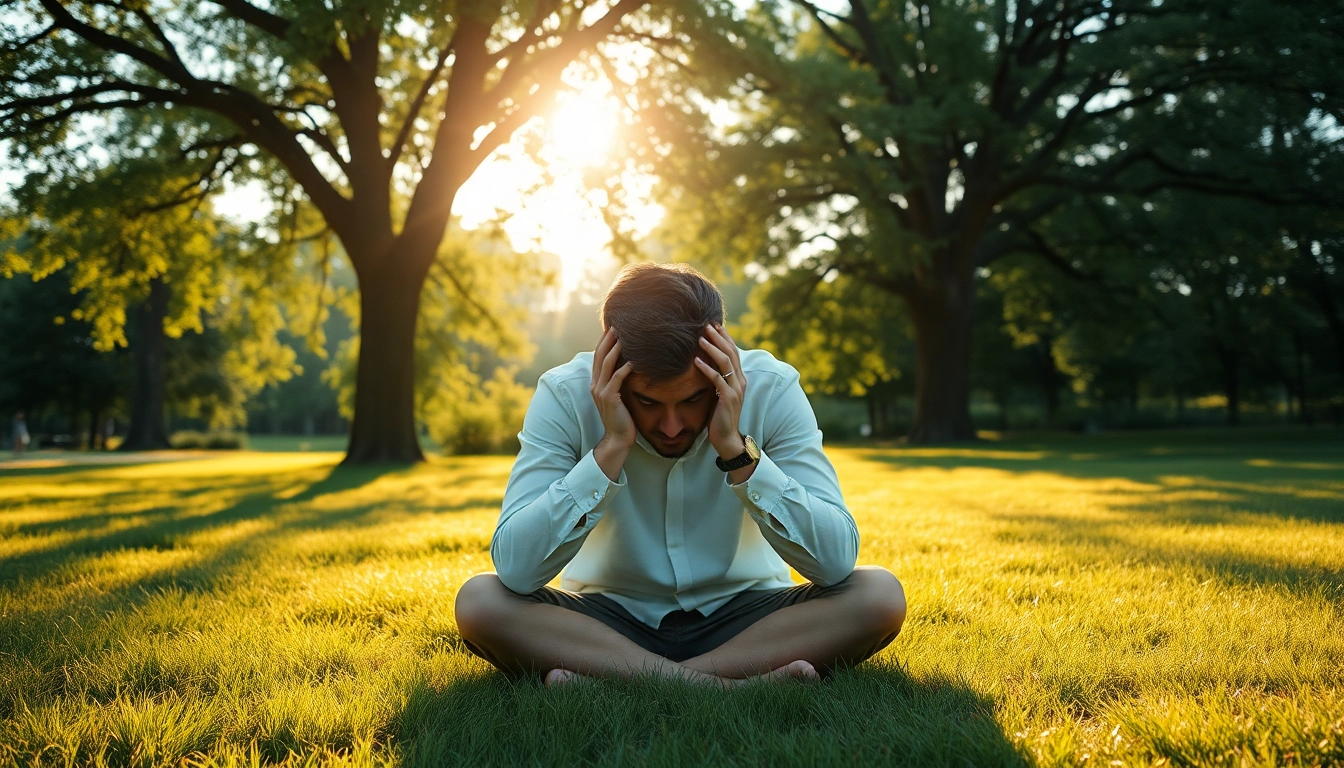
Anxiety symptoms are the physical, mental, and emotional manifestations that arise as a response to perceived threats or stressors. Defined clinically, anxiety is more than just feeling worried or stressed; it involves a complex interplay of biological, psychological, and environmental factors. The anxiety symptoms people experience can range from mild to severe, affecting their daily lives and overall wellbeing. By understanding these symptoms, individuals can better navigate their anxiety and pursue appropriate coping strategies.
Common Physical Symptoms
Physical symptoms are often the most noticeable manifestations of anxiety. They may include:
- Rapid Heartbeat: This can feel like your heart is racing uncontrollably, even when at rest.
- Shortness of Breath: Many experience a sense of choking or that they can’t catch their breath.
- Muscle Tension: Chronic tension may lead to aches and pains, particularly in the neck, shoulders, and back.
- Digestive Issues: Symptoms like nausea, diarrhea, or a “knot” in the stomach are common.
- Sweating and Trembling: Increased sweat production and trembling hands can accompany feelings of anxiety.
- Fatigue: Persistent anxiety can be exhausting and lead to chronic fatigue.
Mental and Emotional Indicators
In addition to physical symptoms, anxiety can lead to significant mental and emotional distress. Some common indicators include:
- Excessive Worry: Continual, overwhelming worry about various aspects of life, often disproportionate to reality.
- Restlessness: A sense of being on edge or unable to relax.
- Difficulty Concentrating: Trouble focusing or making decisions due to racing thoughts.
- Feelings of Impending Doom: A persistent sense that something bad will happen, even without evidence.
- Fear of Losing Control: An irrational fear that one might “lose it” or act irrationally.
Identifying the Signs of Anxiety Symptoms
Self-Assessment Techniques
Recognizing anxiety symptoms often starts with self-assessment. Techniques can include:
- Journaling: Keeping a daily log of feelings can help pinpoint triggers and patterns.
- Monitoring Physical Reactions: Noticing when physical symptoms arise in relation to certain thoughts or situations.
- Rating Anxiety Levels: Using a scale from 1-10 to evaluate the intensity of anxiety at different times.
- Identifying Triggers: Noting recurring situations that elicit anxiety can be vital.
When to Seek Professional Help
While many people experience anxiety symptoms at various points in their lives, it’s crucial to seek professional help when:
- The anxiety becomes unmanageable.
- It begins to interfere with daily activities or relationships.
- There are thoughts of self-harm or suicide.
- Your coping strategies don’t seem to help.
Understanding Triggers and Their Impact
Understanding personal triggers is a pivotal part of managing anxiety. Triggers can be:
- Environmental: Such as crowded spaces, loud noises, or specific locations.
- Social: Interactions with certain people or types of social events.
- Emotional: Past trauma or unresolved issues can resurface, leading to heightened anxiety.
Recognizing these triggers allows individuals to make informed choices about how to engage with challenging situations.
How to Manage Anxiety Symptoms Effectively
Self-Care Strategies
Implementing self-care strategies is essential for managing anxiety. Some effective methods include:
- Regular Exercise: Physical activity releases endorphins that can improve mood and reduce stress.
- Healthy Eating: A balanced diet supports overall health, which in turn can contribute to emotional wellness.
- Sufficient Sleep: Rest is critical for brain function and emotional regulation.
- Establishing Routines: A structured daily schedule can decrease uncertainty and provide a sense of control.
Therapeutic Approaches
Various therapeutic modalities can assist in managing anxiety symptoms, including:
- Cognitive Behavioral Therapy (CBT): This approach works by changing negative thought patterns and behaviors associated with anxiety.
- Exposure Therapy: Gradually exposing individuals to their anxiety triggers under controlled conditions.
- Medication: In some cases, medications like antidepressants or anti-anxiety drugs may be prescribed.
Mindfulness and Relaxation Techniques
Mindfulness practices can greatly benefit those dealing with anxiety. Techniques to consider include:
- Deep Breathing Exercises: Helps regulate the breathing process and calm the nervous system.
- Progressive Muscle Relaxation: A technique that focuses on tensing and relaxing muscle groups to alleviate tension.
- Yoga and Tai Chi: These gentle physical activities emphasize breath control, meditation, and overall relaxation.
Long-Term Strategies for Coping with Anxiety Symptoms
Building a Support Network
Having a robust support system can significantly ease anxiety symptoms. Strategies for building this network include:
- Connecting with Friends and Family: Sharing feelings with trusted individuals can provide comfort and understanding.
- Joining Support Groups: These provide a safe space for individuals to share experiences and coping strategies.
- Professional Support: Regular consultations with mental health professionals can offer guidance and support.
Developing Coping Mechanisms
Coping mechanisms are tools individuals can use to manage anxiety. Recommendations include:
- Identifying Effective Mechanisms: Each person benefits from different strategies, be it talking, journaling, or creative outlets.
- Practicing Problem-Solving: Developing a structured approach to facing challenges can reduce feelings of helplessness.
- Using Visualization Techniques: Imagining peaceful scenarios can enhance feelings of calm and control.
Setting Realistic Goals for Progress
Goal-setting is crucial when managing anxiety. It’s important to:
- Set Measurable Goals: Define clear, achievable milestones to work towards.
- Celebrate Small Achievements: Acknowledging progress, no matter how small, can boost motivation.
- Adjust Goals as Necessary: Be willing to adapt your objectives based on progress and personal circumstances.
FAQs About Anxiety Symptoms
What are the main anxiety symptoms?
Anxiety symptoms can include excessive worry, restlessness, fatigue, difficulty concentrating, and physiological responses like a rapid heartbeat.
How can I recognize if I have anxiety symptoms?
Monitoring your feelings and behaviors, such as persistent distress or changes in daily routine, can help identify potential anxiety symptoms.
When should I seek help for anxiety symptoms?
If anxiety symptoms interfere with daily activities or quality of life, it’s essential to seek professional guidance to explore treatment options.
What are some effective techniques to manage anxiety symptoms?
Effective techniques include mindfulness meditation, deep-breathing exercises, regular physical activity, and establishing a structured daily routine.
Can lifestyle changes improve anxiety symptoms?
Yes, incorporating healthy habits like balanced nutrition, adequate sleep, and regular exercise can significantly improve and reduce anxiety symptoms.