Understanding Vinyl Flooring
What is Vinyl Flooring?
Vinyl flooring is a synthetic flooring material made primarily from polyvinyl chloride (PVC), which provides durability and versatility for a variety of spaces. Known for its resilience and water-resistant properties, it is often used in residential, commercial, and industrial settings. Vinyl flooring comes in a range of styles and finishes, mimicking the aesthetics of natural materials like wood and stone without the associated costs and maintenance.
Types of Vinyl Flooring
Understanding the various types of vinyl flooring is crucial in making an informed purchase. The primary categories include:
- Sheet Vinyl: Rolled out in large sheets, this format is ideal for larger areas and can be welded for a seamless finish.
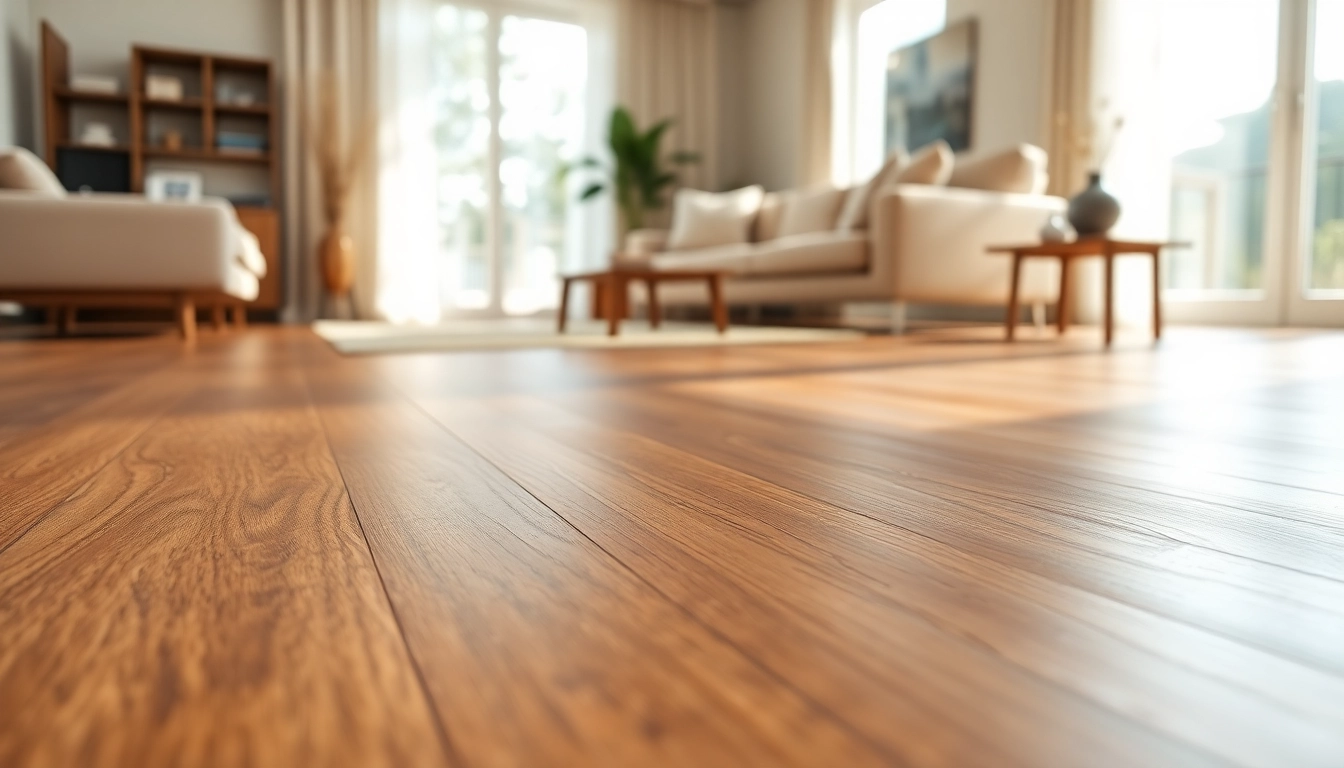
- Vinyl Plank Flooring: Designed to emulate hardwood, vinyl planks come in a variety of colors and grains. They’re favored for their ease of installation and maintenance.
- Vinyl Tile Flooring: These square tiles can mimic ceramic or stone, allowing for creative installation patterns. They can be more easily replaced if damaged.
Benefits of Vinyl Flooring
Several advantages make vinyl flooring a popular choice for homeowners and businesses alike:
- Durability: Vinyl is known for its toughness, resisting dents, scratches, and stains, which is particularly important in high-traffic areas.
- Water Resistance: Ideal for kitchens and bathrooms, vinyl flooring withstands spills and moisture better than many other flooring types.
- Comfort: Soft underfoot and warmer than tile or concrete, vinyl flooring adds comfort to your living spaces.
- Easy Installation: Many vinyl options feature click-lock designs, enabling DIY enthusiasts to install them without professional help.
- Cost-Effective: Vinyl flooring offers the look of luxury materials at a fraction of the cost, making it an economical choice for those on a budget.
Choosing the Right Vinyl Flooring for Your Home
Factors to Consider When Selecting Vinyl Flooring
Selecting the right vinyl flooring requires careful consideration of various factors:
- Room Purpose: Identify which rooms will benefit most from vinyl flooring based on traffic and moisture levels.
- Style Preferences: Choose a design that matches your home’s aesthetic—modern, rustic, or traditional.
- Thickness: Thicker products often offer better comfort and durability, especially in areas prone to heavy foot traffic.
- Sound Absorption: Check if the vinyl has underlayment options that reduce noise levels, enhancing comfort in living areas.
Matching Vinyl Flooring with Home Decor
An essential aspect of selecting vinyl flooring is its alignment with your existing home decor:
- Color Schemes: Choose colors that complement your walls and furniture, considering the overall theme of your living space.
- Pattern Coordination: Consider geometric patterns to add a modern flair or opt for wood-like finishes for a classic touch.
- Texture: Mixing textures adds depth. For example, pairing matte finishes with glossy furniture can create a balanced look.
Cost Considerations for Vinyl Flooring
The cost of vinyl flooring can vary significantly based on type, quality, and brand. Here are a few tips to keep in mind:
- Budget Planning: Determine how much you can spend per square foot and factor in additional costs for installation and materials.
- Long-Term Value: Sometimes, investing in higher-quality vinyl pays off in durability and aesthetics, ultimately saving you money on replacements.
- Sales & Discounts: Regularly check for promotions or discounts to maximize your investment and achieve your desired look without breaking the bank.
Installing Vinyl Flooring: A Step-by-Step Guide
Preparation for Installation
Proper preparation is key to a successful vinyl flooring installation:
- Clear the Area: Move all furniture and items from the installation site.
- Subfloor Inspection: Ensure the subfloor is clean, dry, and level, addressing any issues like moisture or uneven surfaces.
- Acclimatization: Allow the vinyl flooring to acclimate to the room temperature for at least 48 hours before installation to avoid expansion or contraction.
Installation Process Overview
The installation process may vary based on the vinyl type but generally includes these steps:
- Cutting and Measuring: Accurately measure the space and cut the vinyl to fit, leaving room for expansion.
- Adhesive Application: For glue-down vinyl, apply adhesive thinly and evenly to the subfloor.
- Laying the Vinyl: Start laying the vinyl from one corner and work your way out, ensuring a secure fit and minimal seams.
- Trimming Edges: Use a utility knife to trim excess material after the vinyl is laid.
- Rolling the Floor: Once installed, roll over the flooring with a heavy roller to ensure proper adhesion.
Post-Installation Care for Vinyl Flooring
After installation, the care you give your vinyl flooring can enhance its durability:
- Allow Cure Time: Avoid heavy foot traffic for at least 24 hours to ensure proper bonding of the adhesive.
- Seal Edges: If applicable, seal the edges of your vinyl flooring for extra moisture protection, particularly in bathrooms or kitchens.
- Regular Cleaning: Begin a cleaning routine to maintain the look and performance of the flooring.
Maintenance Tips for Longevity of Vinyl Flooring
Cleaning Vinyl Flooring Effectively
A consistent cleaning regimen is crucial to preserving the appearance and functionality of vinyl flooring:
- Daily Cleaning: Sweep or vacuum to remove dirt and debris that can scratch the surface.
- Wet Mopping: Use a damp mop with a pH-neutral cleaner to avoid damage, rinsing the mop frequently.
- Avoid Harsh Chemicals: Never use abrasive cleaners or tools that can scratch and dull your flooring.
Preventing Damage to Vinyl Flooring
Preventative measures ensure your vinyl flooring remains in top condition:
- Use Mats: Place mats at entrances to capture dirt and moisture and prevent it from accumulating on your flooring.
- Furniture Protectors: Use pads under the legs of your furniture to reduce indentation and movement-related scratches.
- Avoid High Heels: Encourage family and guests to avoid walking on vinyl flooring with stiletto heels that can cause punctures or tears.
Protective Measures for Vinyl Flooring
When it comes to protecting your investment, consider implementing these measures:
- Regular Inspections: Schedule periodic inspections to identify early signs of wear or damage.
- Professional Cleaning: Consider hiring professionals for deep cleaning to restore the original sheen of your vinyl flooring.
- Renovate Instead of Replace: For visible wear and tear, applying a topcoat or refinishing can breathe new life into tired flooring.
FAQs About Vinyl Flooring
What are the main benefits of vinyl flooring?
Vinyl flooring is durable, water-resistant, easy to install, and cost-effective, making it an excellent choice for various spaces.
How long does vinyl flooring typically last?
With proper care, vinyl flooring can last between 10 to 20 years, depending on the quality and type of vinyl chosen.
Can I install vinyl flooring on my own?
Yes, many vinyl flooring options are designed for easy DIY installation, particularly vinyl plank and tile with click-lock features.
Is vinyl flooring versatile for different styles?
Absolutely! Vinyl flooring comes in various styles, colors, and textures, allowing it to complement any home decor perfectly.
How do I properly clean vinyl flooring?
Regular sweeping, damp mopping with a pH-neutral cleaner, and avoiding harsh chemicals ensure effective cleaning and maintenance.