Understanding the Importance of a Quality Fly Fishing Hat
When venturing out for a day of fly fishing, it’s easy to focus on rods, reels, and the best lures. However, one of the most critical pieces of equipment you may overlook is the fly fishing hat. This seemingly simple accessory serves multiple purposes that enhance your fishing experience, from protection against the harsh elements of nature to providing comfort during long hours outdoors and allowing you to express your personal style.
Functionality: Protection from Elements
A quality fly fishing hat offers essential protection against various weather conditions. Whether you’re battling the sun’s harsh rays or keeping rain off your face, the right hat can make all the difference. Wide brims provide crucial shade, preventing sunburn and heat exhaustion, while water-resistant options keep you dry in unexpected rain showers. This dual-layered protection enables you to focus on fishing without discomfort or distraction from the environment.
Comfort: Fit and Breathability
Comfort is paramount when selecting a fly fishing hat, especially if you plan to be out for several hours or even all day. A well-fitting hat should feel secure yet breathable. Look for adjustable features that allow for a customized fit, ensuring it stays in place during movement and does not cause headaches or irritation. Hats made from lightweight, breathable materials, such as mesh panels or quick-drying fabrics, mitigate sweat accumulation and enhance overall comfort.
Style: Choosing Your Look
In addition to functionality and comfort, a fly fishing hat serves as a way to express your unique style. There are numerous colors, patterns, and designs available that reflect personal tastes and outdoor aesthetics. Whether you prefer a classic look with a beige or olive hat or something bolder, like bright prints or logos, choosing a style that resonates with you can enhance your confidence while out on the water.
Key Features to Look for in a Fly Fishing Hat
Materials: Breathability and Durability
The materials used in the construction of a fly fishing hat play a crucial role in its performance. Look for fabrics that combine breathability with durability. Nylon and polyester are popular choices due to their lightweight nature and resistance to wear and tear. Hats with moisture-wicking properties help keep sweat away from your skin, while those with UV protection ensure you stay safe from sun exposure.
Design: Brim Styles and Adjustability
The design of a fly fishing hat can significantly affect its performance. Hats with wide brims provide maximum sun protection, while those with narrower brims are more versatile. Adjustable straps or chin cords are beneficial for securing the hat during windy conditions, allowing for worry-free fishing. Check the flexibility of the brim as well; some hats feature stiffer materials for better sun blockage, while others are softer, enabling easy packing.
Protection: UV Rating and Water Resistance
When selecting a fly fishing hat, paying attention to its UV rating is essential. A hat with a high UPF (Ultraviolet Protection Factor) protects your skin more effectively from harmful UV rays. Additionally, checking for water resistance features can assure you that the hat will withstand light rain or splashes from the water while fishing. These attributes not only elevate your protection but also enhance your overall fishing experience.
Popular Fly Fishing Hat Styles and Their Benefits
Wide Brim Hats: Emphasizing Protection
Wide brim hats are a favorite among anglers, thanks to their significant sun protection capabilities. They shield the face, neck, and ears from sun exposure, which can reduce the risk of sunburn and long-term skin damage. Ideal for long summer days on the water, the extra coverage is complemented by lightweight and breathable materials that prevent overheating.
Cap-style Hats: Versatile Comfort
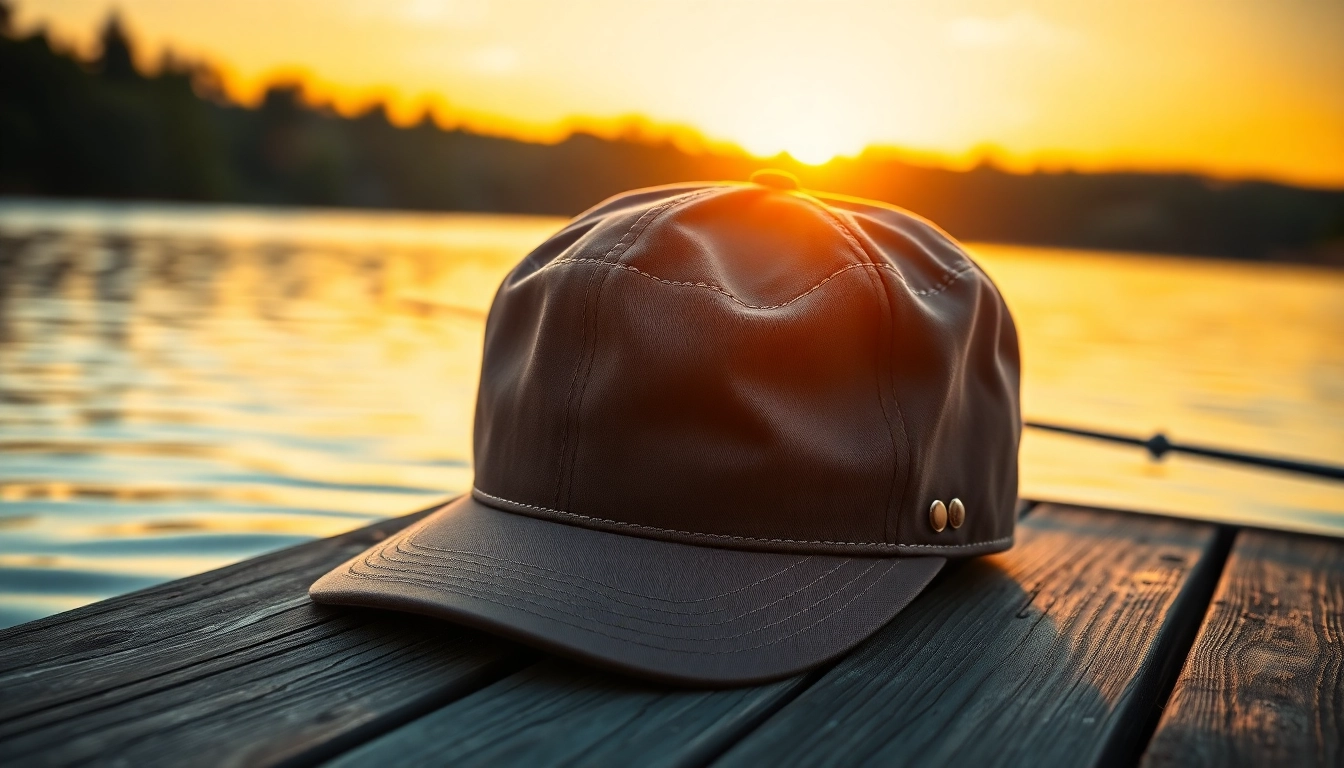
Cap-style hats offer versatility and a more casual look, making them suitable for varied use beyond fishing. These hats often feature adjustable backs and can easily be packed into a fishing bag due to their foldable nature. While they provide adequate sun protection, they typically don’t cover as much skin as wide-brimmed hats, making them better for those who prefer less coverage.
Specialty Hats: Unique Features for Anglers
Specialty fly fishing hats incorporate unique features tailored specifically for the angling community. Some hats include built-in floats, which prevent them from sinking if dropped in the water. Others might offer insect-repelling fabrics or additional pockets for small essentials. These thoughtfully designed features can greatly improve your fishing experience by adding convenience and functionality.
How to Properly Care for Your Fly Fishing Hat
Cleaning Techniques: Keeping It Fresh
Regular cleaning is essential to maintain the functionality and appearance of your fly fishing hat. Follow the manufacturer’s instructions for washing, typically involving gentle hand washing with mild soap. After fishing trips, rinse your hat thoroughly to remove any salt, dirt, or debris that can accumulate. Air-drying is preferable to machine-drying to prevent shrinkage or damage.
Storage Solutions: Preventing Damage
Proper storage extends the life of your fly fishing hat. Avoid cramming it into tight spaces where it could lose its shape. Use a hat rack or a box that allows the hat to retain its structure. If you’re traveling, consider using a hat carrier that provides support and protection against accidental damage.
When to Replace Your Hat: Signs of Wear
Caps and hats can experience wear over time. Look for signs such as fading, fraying, or loss of elasticity. If you notice significant wear that affects functionality—like reduced sun protection or inability to secure properly—it’s time to replace your hat. Regular assessments will help ensure you always have an effective and comfortable accessory for your fishing outings.
Frequently Asked Questions About Fly Fishing Hats
What materials are best for fly fishing hats?
Look for hats made from breathable fabrics, like nylon or polyester, that provide comfort and durability. These materials allow for excellent moisture management and lightweight wear.
How do I choose the right size for my fly fishing hat?
Measure your head circumference and refer to the manufacturer’s sizing chart to get the best fit. Most hats also offer adjustment options for a secure, comfortable fit.
Can I wear a fly fishing hat in the rain?
Yes, many hats are designed to be water-resistant, but check the product details for specific features. Water-resistant hats will help keep you dry during light showers.
How often should I replace my fly fishing hat?
Replace it when you notice significant wear, faded colors, or loss of functionality after regular use. An assessment after each fishing season can help determine when to replace it.
Are there hats specifically designed for women in fly fishing?
Yes, many brands offer women-specific designs that cater to style and fit preferences in fly fishing hats. Look for sizes, styles, and materials tailored to female anglers.