Understanding Steel Fabrication Shops
Steel fabrication shops play a crucial role in transforming raw steel into usable products across various industries. These facilities utilize a combination of techniques, tools, and expertise to create everything from structural components to intricate custom designs. If you’re involved in a project requiring steel work, understanding what a steel fabrication shop offers is essential for making informed decisions about your needs.
What is a Steel Fabrication Shop?
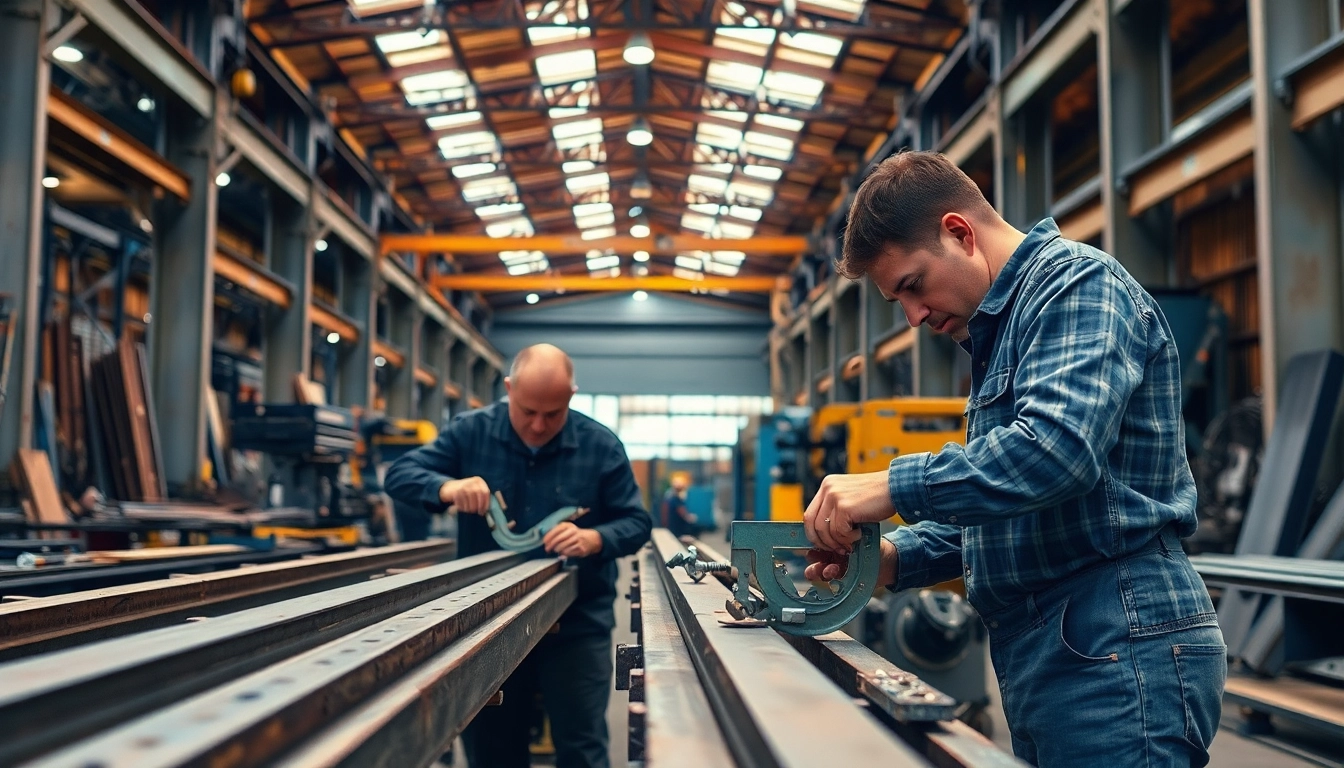
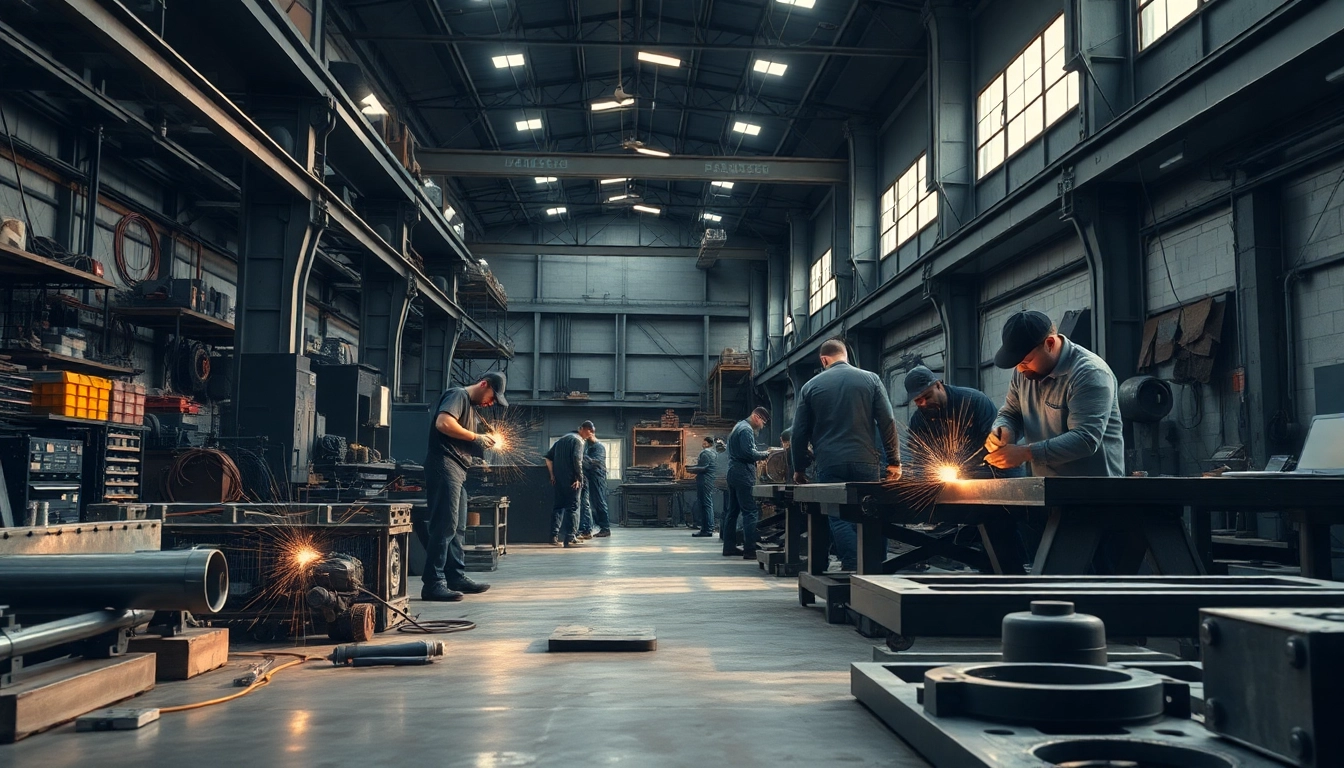
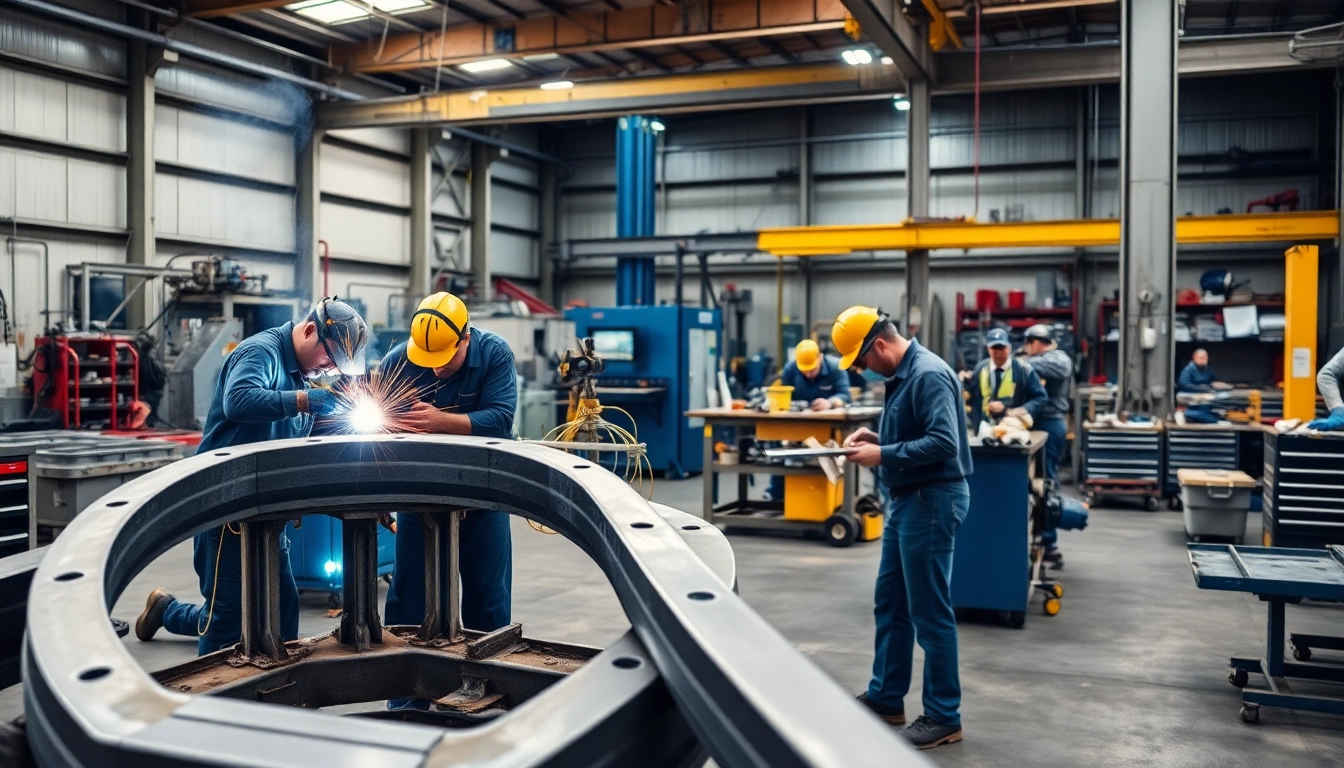
A steel fabrication shop is a specialized facility that fabricates steel and other metals into finished products or components. These shops take various forms, ranging from small operations focused on custom metalwork to large industrial facilities capable of handling bulk orders for massive projects. Key activities in steel fabrication include cutting, shaping, assembling, and finishing metal materials.
Services Offered by Steel Fabrication Shops
Steel fabrication shops offer a range of services designed to meet the diverse needs of their clients. Some of the most common services include:
- CNC Machining: Computer Numerical Control (CNC) machining allows for high precision and efficiency in cutting and shaping metal components.
- Welding: Various welding techniques are employed to join metal pieces securely, including MIG, TIG, and stick welding.
- Metal Forming: Fabricators can bend or shape metal sheets into desired forms using techniques such as stamping, shearing, and bending.
- Assembly: Many shops provide assembly services where multiple components are brought together into a finished product.
- Surface Treatment: This includes finishing processes such as painting, galvanizing, or powder coating to enhance durability and aesthetics.
Importance of Quality in Steel Fabrication
The quality of fabricated steel products is paramount, as it directly impacts the safety, durability, and usability of the final products. High-quality fabrication ensures that components meet stringent industry standards and can withstand the stresses they’ll face in real-world applications. A reputable steel fabrication shop will invest in quality control processes and employ experienced technicians to monitor the entire fabrication process to ensure compliance with safety and quality standards.
Choosing the Right Steel Fabrication Shop
Finding the right steel fabrication shop can be a challenging task, especially with the multitude of choices available. Every project has unique requirements, and selecting a partner who can align with those needs is crucial to success.
Key Factors to Consider
When searching for a steel fabrication shop, consider the following factors:
- Reputation: Look for shops with strong reputations in the industry. Reviews, referrals, and case studies can provide insight into their reliability and quality of work.
- Capabilities: Ensure the shop has the necessary equipment and technology to handle your specific fabrication needs. This includes assessing their machinery, available materials, and workforce expertise.
- Certifications: Check whether the shop has relevant certifications that indicate adherence to industry standards, which can be essential for specific applications.
- Lead Times: Timely delivery is critical for most projects. Understand their capacity and average turnaround time to ensure they can meet your deadlines.
Evaluating Expertise and Experience
Experience plays a significant role in the capabilities of a steel fabrication shop. Look for companies that have been in the industry for several years and have demonstrated success across various projects. A shop’s portfolio can provide a glimpse into their expertise. Additionally, consider the specializations they offer—certain shops may excel in specific industries or types of fabrication, which might align better with your project requirements.
Assessing Capabilities and Resources
A well-equipped steel fabrication shop should possess various machinery, tools, and technologies that facilitate a broad spectrum of fabrication techniques. Assessing their resources involves not only evaluating the quantity and quality of equipment present but also determining the skill set of the workforce. Knowledge of new technologies such as laser cutting or advanced welding techniques can set a shop apart and may be crucial for complex projects.
Common Types of Steel Fabrication Processes
Steel fabrication encompasses a variety of processes tailored to meet specific project needs. Understanding these processes can help you determine the best approach for your project.
Mig and Tig Welding Techniques
MIG (Metal Inert Gas) and TIG (Tungsten Inert Gas) welding are two prevalent techniques used in steel fabrication. MIG welding is known for its speed and efficiency, making it ideal for larger projects. It utilizes a continuously fed wire electrode that melts and fuses the base metals together. On the other hand, TIG welding offers higher precision and control, using a non-consumable tungsten electrode to produce a clean and strong weld. Depending on your project’s requirements, either welding technique may be more suitable.
Metal Cutting and Forming Methods
Several methods exist for cutting and forming metal, each possessing its unique advantages:
- Shearing: This method involves cutting the metal sheet into desired lengths and shapes using a powerful shear cutting tool.
- Plasma Cutting: Ideal for thicker materials, plasma cutting uses a high-speed jet of ionized gas to slice through metal with precision.
- Waterjet Cutting: This technique employs high-pressure water mixed with abrasives to cut through various materials, offering clean cuts without thermal distortion.
- Laser Cutting: Laser technology provides high accuracy and intricate designs in metal cutting, making it very popular for custom jobs.
Surface Treatment and Finishing Processes
After the fabrication process, surface treatments are vital for enhancing the longevity and appearance of steel products. Common finishing processes include:
- Galvanizing: This involves coating steel with zinc to prevent rust and corrosion.
- Painters and Coating: Applying paint or powder coating protects surfaces and offers aesthetic appeal.
- Sandblasting: This method cleans and prepares surfaces before painting or coating to ensure optimal adhesion.
- Polishing: Essential for stainless steel products, polishing creates a smooth, shiny finish while also making surfaces easier to clean.
Cost Factors in Steel Fabrication
Understanding the various cost factors associated with steel fabrication is critical for effective budgeting and project planning. Pricing can fluctuate based on numerous influences.
Understanding Pricing Structures
Pricing structures in steel fabrication can vary significantly depending on several key contributors, including material costs, labor, overhead, and the complexity of the project. Common pricing approaches can include:
- Fixed Pricing: For standardized products where costs can be accurately estimated, fixed pricing may be available.
- Variable Pricing: Custom projects often lead to variable pricing, where costs fluctuate based on specific requirements and changes throughout the project lifecycle.
Estimating Project Costs
To estimate project costs effectively, consider detailed specifications including:
- The type of materials needed.
- The fabrication processes involved.
- The total quantity of components required.
- Labor costs related to fabrication.
- Lead time and delivery logistics.
Engaging in clear and detailed communication with your chosen fabrication shop will yield more accurate estimates and prevent misunderstandings later.
Value vs. Price in Steel Fabrication
When choosing a steel fabrication shop, it is crucial to consider the value offered rather than merely the price. While lower prices can be tempting, they may reflect lower quality materials or craftsmanship. Ensure to weigh the long-term benefits of investing in quality fabrication, which can ultimately lead to safer, more durable products and fewer future costs related to repairs or replacements.
Future Trends in Steel Fabrication Shops
As technology evolves and industry requirements change, the landscape of steel fabrication shops is undergoing significant transformations. Staying informed about these trends will be advantageous for industry stakeholders.
Technological Advancements
Recent advancements in technology, such as automation and robotics, are starting to redefine fabrication processes. Automation can enhance precision, reduce lead times, and minimize waste. Integration of artificial intelligence in the design phase allows for more efficient project management and optimization of material usage. As these technologies continue to advance, we can expect to see remarkable improvements in both quality and efficiency in the steel fabrication industry.
Sustainability Practices
Sustainability is increasingly becoming a focal point for all industries, including steel fabrication. Shops are exploring environmentally friendly practices, such as recycling scrap metal, using energy-efficient machinery, and employing corrosion-resistant materials. As consumer demand for sustainable products rises, companies that prioritize these practices set themselves apart from competitors and contribute positively to the environment.
Adapting to Industry Demands
The steel fabrication industry must also adapt to the evolving demands of sectors it serves, including construction, automotive, and energy. This means being responsive to changes in regulations, safety standards, and market needs. Companies that establish flexible operations and continuously invest in employee training will be better positioned to pivot as industry requirements evolve.
With a solid understanding of the steel fabrication process and its importance, stakeholders can make informed decisions about project execution. Whether you’re a contractor, architect, or manufacturer, knowing how to leverage the capabilities of a steel fabrication shop will empower you to achieve exceptional outcomes for your projects.