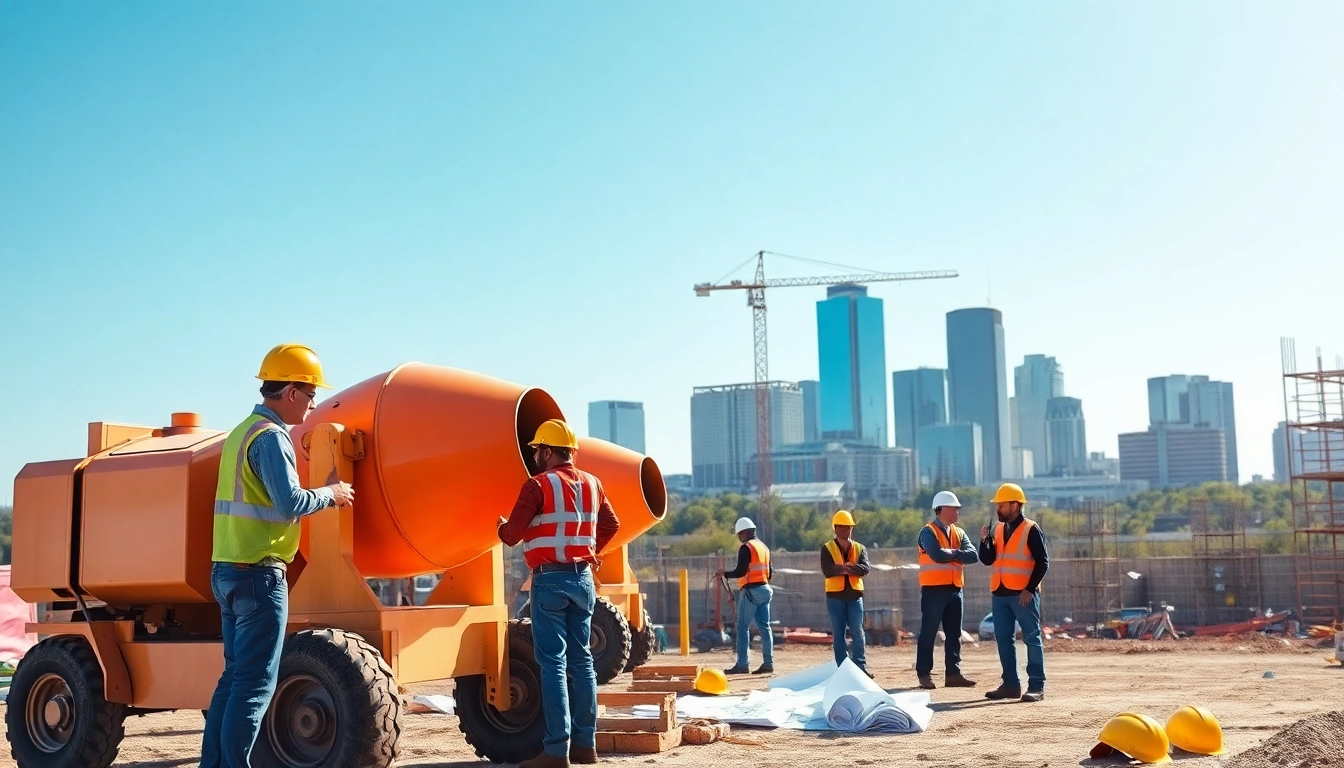
Understanding the Austin Construction Landscape
The Austin construction industry is a bustling market characterized by its rapid growth, innovative techniques, and evolving challenges. As one of the fastest-growing cities in the United States, Austin has seen a significant surge in construction activities, spurred by population growth, a booming tech scene, and an influx of new businesses. Understanding this dynamic landscape requires an analysis of current market trends, key challenges, and future growth projections that shape the industry's trajectory.
Current Market Trends
The construction landscape in Austin is influenced by various factors that reflect the city’s economic vitality. Here are some key trends currently shaping the market:
- Residential Demand: With an increase in population, there is a heightened demand for housing, particularly multifamily units. Developers are focusing on creating affordable housing to meet the needs of diverse demographics.
- Commercial Development: The tech boom has led to a spike in commercial real estate investments. Co-working spaces, data centers, and office buildings are in high demand, with companies seeking modern facilities that cater to hybrid working models.
- Green Building: Sustainability continues to be a paramount focus in Austin construction. Builders are incorporating eco-friendly materials and energy-efficient designs to meet both regulatory requirements and the expectations of environmentally conscious consumers.
- Infrastructure Improvements: With a growing population, demand for infrastructure enhancements is on the rise. Projects such as road expansions, public transportation developments, and utility upgrades are essential to support the increasing number of residents and businesses.
Key Challenges in Austin Construction
Despite the promising trends, the Austin construction industry faces several challenges:
- Labor Shortages: A significant challenge is the shortage of skilled labor in the construction sector. As the market grows, the demand for qualified professionals, such as electricians, carpenters, and project managers, has outpaced supply.
- Rising Material Costs: Global supply chain disruptions have led to fluctuating prices for construction materials. This poses a challenge for project budgeting and profitability.
- Regulatory Compliance: Navigating local, state, and federal regulations can be complex, often leading to delays in project timelines. Builders must stay informed about changing laws and regulations to avoid legal pitfalls.
- Environmental Concerns: As development expands, so do concerns over environmental impact. Builders must address these concerns while meeting the demand for new projects, leading to increased scrutiny and regulatory hurdles.
Future Growth Projections
Looking ahead, the Austin construction landscape is expected to experience robust growth. Predictions indicate that:
- Continued Population Growth: The Austin metropolitan area is projected to grow further, necessitating ongoing investments in residential and commercial developments.
- Increased Investment in Transportation: To accommodate the city's growth, significant funding will be allocated to improve transportation infrastructure, including roads, public transit systems, and bicycle lanes.
- Advancement in Technology: The integration of advanced technologies, such as BIM (Building Information Modeling) and smart building technologies, will streamline construction processes and enhance project outcomes.
- Emphasis on Resilience: Projects are likely to emphasize resilience, preparing buildings and infrastructure to withstand natural disasters and climate change impacts.
Essential Techniques in Austin Construction
As the construction landscape evolves, builders must adopt modern techniques that optimize efficiency and sustainability. Here are essential techniques currently reshaping Austin construction:
Modern Materials and Innovations
The selection of materials plays a critical role in the construction process. Innovations in materials science have led to more enduring and sustainable options:
- High-Performance Concrete: Advances in concrete technology result in stronger, more durable mixes. High-performance concrete can withstand intense weather conditions and reduce the need for maintenance.
- Prefabrication and Modular Construction: Off-site construction techniques, where components are manufactured in a controlled environment, are gaining popularity due to their efficiency, reduced waste, and faster project timelines.
- Smart Materials: Materials that respond to environmental changes, such as thermochromic materials that change color or transparency with temperature, are being incorporated into building designs, adding both functionality and aesthetic appeal.
Sustainable Building Practices
As sustainability becomes increasingly important, Austin construction has embraced various practices aimed at minimizing environmental impact:
- LEED Certification: Many projects strive for Leadership in Energy and Environmental Design (LEED) certification, which recognizes buildings that meet strict environmental standards.
- Energy-Efficient Systems: Incorporating energy-efficient windows, insulation, and HVAC systems reduces energy consumption and lowers utility costs for building occupants.
- Water Conservation Techniques: Innovative designs that use rainwater harvesting systems, greywater recycling, and drought-resistant landscaping help mitigate water usage in new developments.
Technological Advances in Construction
Technological advances are reshaping the construction process, enhancing productivity and collaboration:
- Building Information Modeling (BIM): BIM allows for 3D modeling of buildings, enabling architects, engineers, and contractors to collaborate more effectively and identify potential issues before construction begins.
- Drones: Drones are increasingly used for surveying land, monitoring construction sites, and performing inspections. They provide real-time data, improving efficiency and accuracy in project management.
- Construction Management Software: Advanced software solutions facilitate project scheduling, budgeting, and communication among stakeholders, streamlining the overall construction process.
Best Practices for Successful Projects
Successful construction projects are guided by best practices that promote efficiency, safety, and quality. Here are critical elements to ensure project success in Austin construction:
Project Management Essentials
A well-structured project management approach is vital for coordinating various aspects of a construction project:
- Establish Clear Objectives: Defining the scope, budget, and timeline at the outset provides a roadmap for the project and allows for performance measurement.
- Regular Communication: Maintaining open lines of communication among stakeholders is key to addressing issues promptly and ensuring alignment throughout the project lifecycle.
- Documentation and Reporting: Tracking progress through consistent documentation and regular reporting keeps everyone informed and aids in identifying potential delays early.
Hiring Qualified Professionals
The success of a construction project largely depends on the expertise of its professionals:
- Evaluate Credentials: Verifying licenses, certifications, and previous project experience is essential to ensure that team members possess the required skills and qualifications.
- Promote Team Collaboration: Hiring professionals who value collaboration can lead to innovative solutions and a more cohesive work environment.
- Invest in Training: Ongoing training programs for employees can enhance skills in line with industry advancements, which ultimately supports project success.
Compliance and Safety Regulations
Adhering to safety regulations is not only a legal requirement but also essential for protecting workers and minimizing risks:
- Regular Safety Training: Implementing comprehensive safety training programs ensures that all personnel are aware of safety protocols and best practices on site.
- Monitoring Compliance: Conducting regular audits to ensure compliance with local and federal safety regulations can prevent accidents and enhance the overall safety culture.
- Emergency Response Plans: Establishing clear emergency response plans for various situations is critical to safeguarding personnel and minimizing project disruptions.
Evaluating Success in Austin Construction
Post-project evaluation is essential to learn from experiences and continuously improve practices within the Austin construction environment:
Key Performance Indicators
Identifying and tracking key performance indicators (KPIs) provides insight into project performance. Important KPIs in construction include:
- Budget Variance: Tracking the difference between projected and actual costs helps assess financial performance throughout the project.
- Schedule Variance: Monitoring the difference between planned and actual timelines ensures that projects remain on track and can highlight potential delays.
- Quality Control Metrics: Evaluating the quality of materials and workmanship is essential for ensuring client satisfaction and long-term performance of the built environment.
Post-Project Analysis
Conducting a thorough post-project analysis allows teams to reflect on what went well and identify areas for improvement:
- Project Reviews: Holding debrief sessions with stakeholders to discuss successes and setbacks fosters a culture of learning and continuous improvement.
- Client Feedback: Obtaining feedback from clients regarding their satisfaction levels can inform future projects and enhance service delivery.
- Documentation of Lessons Learned: Creating a repository of lessons learned promotes knowledge sharing and helps avoid common pitfalls in future projects.
Client Satisfaction Metrics
Measuring client satisfaction is critical for business growth and maintaining a good reputation:
- On-Time Completion Rates: Meeting deadlines is crucial for client satisfaction. Tracking this metric can provide insight into project management efficiency.
- Change Order Frequency: The number of change orders can indicate clarity of communication and project planning, as frequent changes may lead to client frustration.
- Repeat Business: Tracking the rate of repeat clients can be a strong indicator of satisfaction and trust in the construction firm.
Future Innovations in Austin Construction
As the Austin construction sector continues to develop, several promising innovations are on the horizon that could transform the industry:
New Technologies on the Horizon
The adoption of cutting-edge technologies will play a significant role in enhancing construction efficiency:
- Artificial Intelligence: AI is expected to revolutionize project management and decision-making processes through predictive analytics and automation of routine tasks.
- 3D Printing: Innovations in 3D printing are enabling rapid prototyping and construction of components, potentially decreasing labor costs and material waste.
- Augmented Reality (AR): AR can improve project visualization, allowing clients and stakeholders to engage with virtual models before ground is broken.
Urban Development Projects
With increasing urbanization, Austin is likely to see innovative urban development projects focused on smart city concepts:
- Mixed-Use Developments: Projects that combine residential, commercial, and recreational spaces are becoming more prevalent, promoting community integration and efficiency.
- Smart Infrastructure: Investments in technology-driven infrastructure, such as smart grids and intelligent transportation systems, will enhance urban living while addressing environmental concerns.
- Community-Centric Spaces: Planners are focusing on creating public spaces that foster community engagement, sustainability, and social interaction across diverse populations.
Community Impact and Engagement
As construction projects increasingly influence neighborhoods and communities, a focus on community impact and engagement is becoming essential:
- Stakeholder Involvement: Engaging community members in the planning process ensures that diverse perspectives are considered and increases project support.
- Social Responsibility Programs: Builders are emphasizing corporate social responsibility by implementing initiatives that benefit local communities, such as job training programs.
- Transparency and Communication: Maintaining open communication with residents about project plans, timelines, and anticipated impacts fosters goodwill and trust.