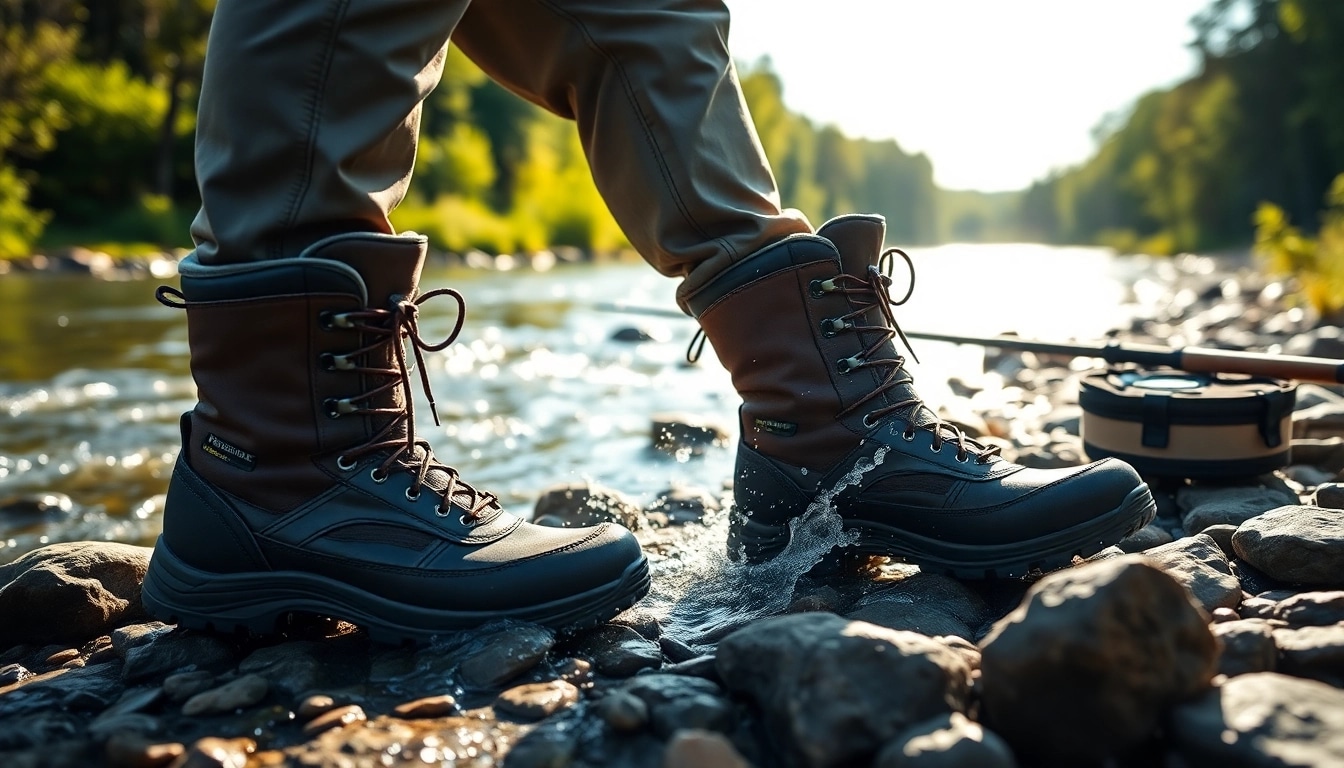
Understanding Fly Fishing Boots
When it comes to fly fishing, the right gear can make all the difference in the world, and one key component of that gear is the footwear. Proper fly fishing boots enhance your experience on the water, providing comfort, durability, and protection from the elements. Without appropriate boots, anglers risk discomfort, injury, and even safety hazards. Understanding the essentials of fly fishing boots will not only improve your fishing prowess but also extend the enjoyment of your time spent outdoors.
The Importance of Proper Footwear
The significance of proper footwear in fly fishing cannot be overstated. Whether wading through a cold stream or navigating rocky riverbeds, good boots provide stability and support. They serve several essential functions:
- Protection: Fly fishing often involves treacherous terrain. Quality boots protect your feet from sharp rocks, sticks, and other potential hazards.
- Traction: Specialized soles enhance grip on slippery surfaces, reducing the risk of falls.
- Insulation: Many environments where fly fishing takes place can be chilly. Quality boots offer insulation against cold water and air.
- Comfort: Boots designed specifically for fishing provide the necessary support for long hours on your feet.
Key Features of Quality Fly Fishing Boots
When selecting fly fishing boots, several key features should be prioritized to ensure optimal performance:
- Waterproof Materials: Look for boots made from waterproof materials to keep your feet dry.
- Breathability: Breathable materials help regulate temperature, preventing overheating.
- Support: Quality boots offer cushioning and arch support to accommodate prolonged standing and walking.
- Durability: High-quality construction materials will withstand abrasive environments.
- Weight: Lightweight boots can improve mobility; however, they should not compromise on protection.
Different Types of Fly Fishing Boots
There are many types of fly fishing boots available, each tailored for different fishing conditions and personal preferences:
- Wading Boots: Specifically designed for river use, these boots often feature felt or rubber soles for better traction.
- Chest Waders with Integrated Boots: These provide both waterproof coverage and built-in footwear, ideal for extreme conditions.
- Lightweight Trail Boots: Suitable for hiking to remote fishing spots, offering more versatility off the water.
Choosing the Right Fit
Finding the perfect fit for your fly fishing boots is crucial for comfort and performance. A proper fit can prevent blisters and discomfort during your fishing excursions.
Measuring Your Feet for Perfect Fit
The first step in ensuring you get the right size is to measure your feet accurately. Follow these simple steps:
- Gather Materials: You'll need a ruler or measuring tape, a piece of paper, and a pen.
- Trace Your Foot: Stand on the paper and trace around your foot.
- Measure Length and Width: Measure the length from the toe to the heel and the widest part of your foot.
- Compare to Size Charts: Refer to the manufacturer’s size chart for guidance on your measured size.
Trying Before You Buy
Whenever possible, try on boots in-store. Bring along your fishing socks, as these can influence the fit. Walk around the shop to get a sense of comfort, and pay attention to:
- Room in the toes - your toes should not touch the end of the boot.
- Secure heel - there should be no slipping at the heel when you walk.
- Comfortable arch support - ensure that the boot accommodates your arch type.
Understanding Sizing Variations Across Brands
Keep in mind that sizing can vary significantly between different manufacturers. A size 10 in one brand may not correspond to a size 10 in another. It’s essential to consult the specific size chart of the brand you're interested in and consider trying on multiple brands to find the perfect fit.
Materials and Technologies in Fly Fishing Boots
Understanding the materials and technologies used in fly fishing boots will help you make an informed decision when purchasing. Here's a breakdown of what to look for:
Waterproofing Technologies Explained
Waterproofing is a critical feature of any fly fishing boot. Look for boots that feature:
- Gore-Tex: A popular option that offers excellent waterproofing and breathability.
- Rubberized Coatings: These can provide waterproof properties while enhancing durability.
- Sealed Seams: Ensure that seams are taped or sealed to prevent water from seeping in.
Benefits of Breathable Materials
Breathable materials help maintain comfort during use. When your feet produce moisture, breathable fabrics allow for ventilation, keeping your feet dry and comfortable. Some benefits include:
- Temperature regulation, preventing overheating.
- Reduction of odor caused by accumulated moisture.
- Increased comfort during long hours of wear.
Insulation Options for Different Climates
If you fish in colder climates, insulation becomes important. Look for boots with materials designed to trap warmth while still being waterproof. Insulated models often utilize:
- Thinsulate: Provides warmth without excessive bulk.
- Neoprene: Offers significant insulation while remaining flexible and waterproof.
Care and Maintenance for Longevity
Cleaning and Drying Your Fly Fishing Boots
Post-fishing, rinse your boots thoroughly to remove dirt, sand, and saltwater. Here are specific steps to follow:
- Use Fresh Water: Always rinse with fresh water if you’ve been fishing in saltwater.
- Scrub with a Brush: Use a soft brush to remove any stuck-on debris.
- Air Dry: Allow your boots to air dry away from direct sunlight to maintain their integrity.
Repairing Common Damage
Even the best boots can suffer from wear and tear. Common issues may include:
- Leaks: Small punctures can often be repaired with waterproof adhesives or patches.
- Sole Separation: If the sole separates, use a durable adhesive to reattach it.
Best Storage Practices
Proper storage can extend the life of your boots:
- Store in a cool, dry place away from direct sunlight to prevent degradation of materials.
- Use boot trees or stuff them with newspaper to maintain shape during storage.
Top Brands and Recommendations
Knowing which brands produce quality fly fishing boots can significantly ease your decision-making process. Here's an overview of leading brands in the market:
Overview of Leading Fly Fishing Boot Brands
Many companies specialize in producing high-quality fly fishing boots; here are some of the most reputable:
- Simms: Known for excellent craftsmanship and a full range of options.
- Orvis: Offers a variety of boot styles and a strong emphasis on durability.
- Hodgman: Provides more budget-friendly options without sacrificing quality.
Customer Reviews and User Experiences
Customer feedback is invaluable when selecting fly fishing boots. Reviews often highlight factors such as comfort, durability, and performance in various conditions. When researching, consider visiting fishing forums or retailer websites for firsthand experience from other anglers.
Where to Best Purchase Fly Fishing Boots
Purchasing your fly fishing boots can be approached in several ways. Options include:
- Specialty Tackle Shops: These stores often have knowledgeable staff who can assist with fit and product selection.
- Online Retailers: Websites offer a broader selection and competitive pricing. However, ensure that return policies allow for exchanges or refunds if the fit is not right.
- Second-Hand Gear Stores: A great option for budget-conscious anglers looking for high-quality used boots.