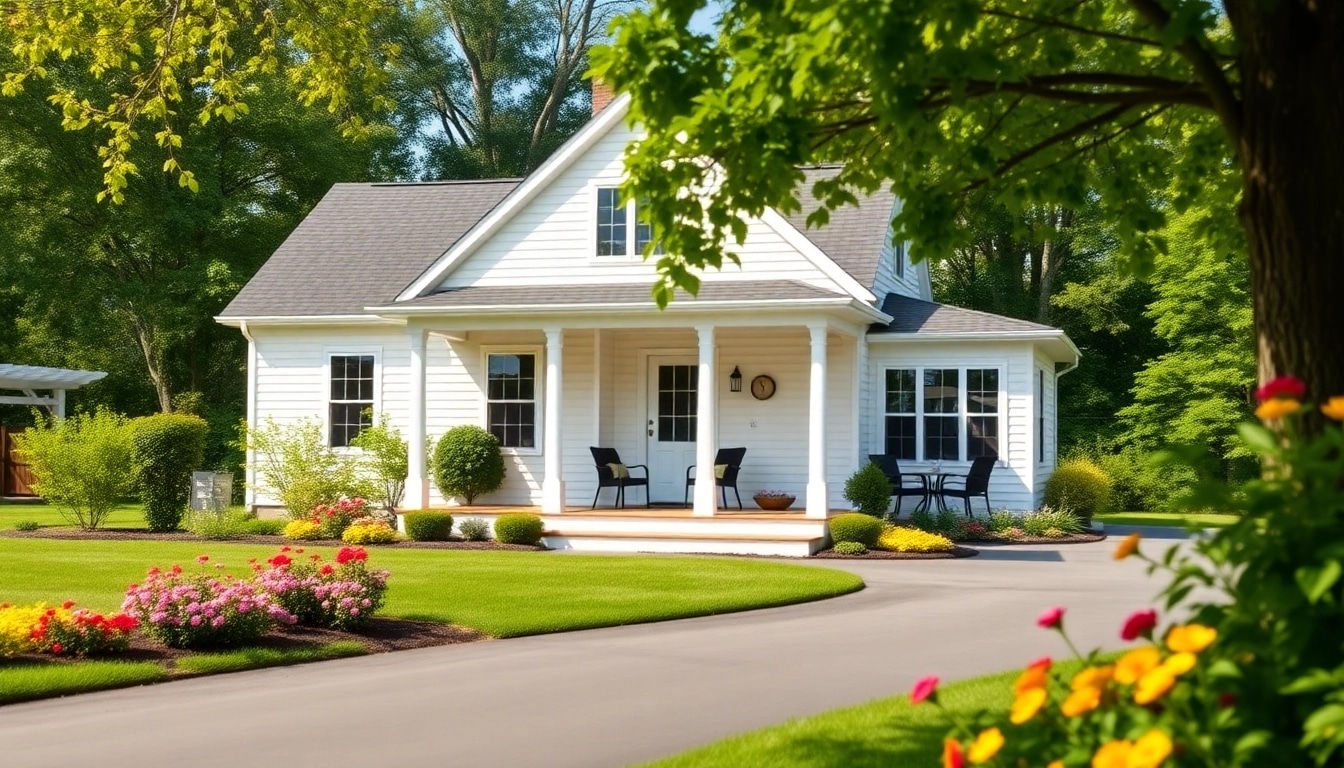
Understanding the Cape Style Home In-Law Addition Concept
In the ever-evolving landscape of residential design, the Cape Style Home In-Law Addition stands out for its historical charm and practical advantages. This architectural style, deeply rooted in American history, offers unique aesthetics while accommodating the modern needs of families seeking to expand their living spaces. In this section, we will delve into the history and characteristics of Cape Style homes, the benefits of adding an in-law suite, and key design elements to consider.
History and Characteristics of Cape Style Homes
The Cape Cod style home originates from the early colonial period in the New England region of the United States. These homes were designed to withstand harsh weather conditions common in the area. Characterized by distinctive steep roofs, symmetrical facades, and dormer windows, Cape Style homes convey a traditional yet timeless appeal. Often constructed with wood siding and a simple, rectangular shape, they exemplify the pragmatic design principles of their era.
Key features of Cape Style homes include:
- Gabled roofs that enable quick snow runoff
- Large central chimneys for heating
- Small porches that provide a welcoming entrance
- Simplicity in design and aesthetic, promoting efficiency
As time evolved, so did the design and function of Cape Style homes, with more modern updates integrating into their classic framework. Today, many homeowners appreciate the enduring design of Cape homes while accommodating new living preferences like in-law suites, which offer both flexibility and additional space for aging family members or guests.
Benefits of Adding an In-Law Suite
An in-law suite, or secondary dwelling unit, can significantly enhance the functionality of a Cape Style home. These additions offer numerous benefits, including:
- Increased Living Space: They provide additional accommodation without the need for relocating or leaping into a larger home.
- Independence: An in-law suite allows for privacy and independence for aged relatives or young adults, fostering a sense of autonomy.
- Property Value: A well-designed in-law suite can enhance the resale value of your property, making it a smart investment.
- Multi-generational Living: As family dynamics shift, these units support multi-generational living arrangements that maintain closeness while still allowing for personal space.
Design Elements to Consider for Your In-Law Addition
When embarking on the design of a Cape Style Home In-Law Addition, a few critical elements should be at the forefront:
- Architectural Harmony: Ensure that the addition complements the existing home’s architecture to maintain an aesthetically pleasing curb appeal.
- Flow and Accessibility: The layout should provide easy access between the main home and the in-law suite, while also accommodating possible mobility challenges for older adults.
- Natural Light: Abundant windows and thoughtful orientation can create a bright and inviting environment.
- Outdoor Space: Consider adding a small patio or garden that offers a private outdoor area for enjoyment and relaxation.
Planning Your Cape Style Home In-Law Addition
Planning is crucial when considering an In-Law Addition to ensure a smooth construction process and a successful integration into your living space. This section will explore the essential planning steps, encompassing space assessment, budgeting, and selecting the right contractors.
Assessing Space and Layout Needs
The first step in planning your Cape Style Home In-Law Addition is carefully assessing your current living space. In order to maximize the functionality of both the main home and the new addition, consider the following:
- Desired Size: Determine how much space is necessary based on the needs of the individuals who will occupy the in-law suite, ensuring you create a functional yet intimate setting.
- Layout: Plan the suite layout to include essential features like a bedroom, bathroom, kitchenette, and living area, aiming for a self-sufficient accommodation.
- Integration: Think about how to connect the in-law suite with the main house, whether through a hallway, shared entry, or even a private entrance.
- Future Needs: Evaluate potential future needs, such as adding features for accessibility as family members age.
Budgeting for Your Addition
Establishing a clear budget is vital for any home renovation project. Cost estimation for a Cape Style Home In-Law Addition can vary widely depending on materials, labor, and design complexity. Here are key factors to consider:
- Materials: The type of materials chosen will significantly affect your budget. High-quality materials may have a higher upfront cost but can yield significant value in durability and aesthetics.
- Labor Costs: Hiring experienced contractors may incur higher wages, but the quality of work and adherence to local building codes can save you from future complications.
- Permitting and Fees: Factor in costs for necessary building permits, inspections, and any unexpected fees.
- Contingency Fund: Set aside an additional 10-20% of your overall budget to address any unforeseen expenses that may arise during the project.
Choosing the Right Contractor for Your Project
The selection of a reliable contractor is a significant component of the renovation process. A well-chosen contractor can navigate the complexities of a Cape Style Home In-Law Addition, ensuring adherence to both deadlines and budgets. Here are tips for selecting the right contractor:
- Research: Look for local contractors with experience in designing and building in-law suites, specifically versatile in Cape Style Architecture.
- Reviews and References: Check online reviews and ask for references to gauge the contractor’s reputation and reliability.
- Licensing and Insurance: Verify that potential contractors have the necessary licenses and insurance to protect you from liability during the construction.
- Communication: A good contractor should be approachable and willing to communicate openly regarding ideas, concerns, and project updates.
Design Features of a Cape Style Home In-Law Addition
The design features of your Cape Style Home In-Law Addition play vital roles in ensuring the comfort of residents while maintaining aesthetic appeal. This section covers exterior design, interior layout, and accessibility features that should be considered.
Exterior Design and Curb Appeal
The exterior of a Cape Style In-Law Addition should harmonize with the existing home while establishing its character. Key design choices include:
- Roofing: Consider a gabled or hipped roof that mirrors the existing structure, ensuring that proportions and pitch align.
- Siding: Use similar materials and colors to maintain the overall look of the house. Wooden shingles, clapboard siding, or painted exteriors can be effective choices.
- Windows and Doors: Select window styles that reflect the home’s existing design while maximizing natural light. Well-placed double-hung windows and decorative shutters can enhance curb appeal.
- Landscaping: Complement the addition with thoughtful landscaping that frames the unit nicely without overwhelming it.
Interior Layout and Functionality
An efficient interior layout is crucial in a Cape Style Home In-Law Addition, designed to maximize the use of space while ensuring comfort:
- Open Floor Plan: An open concept can create a spacious feel, combining dining and living areas seamlessly.
- Kitchenette: A compact kitchenette with essential appliances allows residents to prepare their own meals easily.
- Private Areas: Adequate separation of living, sleeping, and bathing spaces promotes comfort and privacy.
- Storage Solutions: Incorporate built-in shelving or storage options to maximize functionality and minimize clutter.
Incorporating Accessibility Features in Design
As family members age or mobility issues arise, integrating accessibility features in your Cape Style Home In-Law Addition becomes critical:
- Entryways: Ensure entry points are level and wide enough for wheelchair access.
- Bathroom Design: Consider curbless showers, grab bars, and adequate space for maneuverability within the bathroom.
- Lighting: Use bright, ambient lighting throughout to enhance visibility and comfort.
- Flooring Choices: Opt for non-slip, low-pile carpet or hard surface materials that facilitate easier navigation.
Common Challenges and Solutions
Embarking on a Cape Style Home In-Law Addition project can come with its own set of unique challenges. This section provides insights into common obstacles and potential solutions to ensure a smoother renovation experience.
Navigating Local Building Codes
One of the first challenges faced when planning an in-law suite addition involves understanding and navigating local building codes:
- Research Local Codes: Check with local authorities regarding zoning laws, building codes, and regulations that may affect your project.
- Permitting Process: Be prepared to submit detailed plans when applying for permits to ensure compliance with local standards.
- Consultation with Experts: Consider hiring an architect or designer familiar with local regulations, which can save time and reduce frustration.
Dealing with Property Line Restrictions
Property line restrictions can constrain your design options. Here are ways to address these challenges:
- Understand Property Lines: Consult your property's surveyor or local assessor's office to determine exact boundaries.
- Design Within Limits: Create designs that make the most of the available space while complying with the distance requirements from property lines.
- Neighbor Consideration: Open conversation with neighbors can lead to amicable solutions and respect for privacy, reducing potential conflicts.
Overcoming Budget Constraints
Adhering to a budget can prove challenging during the construction phase. Here are strategies to identify and manage expenses effectively:
- Prioritize Needs vs. Wants: Distinguish between essential and desired features to manage expectations and ensure basic needs are met.
- Regular Budget Reviews: Frequently review the budget and project progress to identify areas to cut costs without compromising quality.
- Alternative Solutions: Have flexible design options as contingencies; consider DIY methods for less technical aspects of the project.
FAQs about Cape Style Home In-Law Additions
What is a Cape Style Home In-Law Addition?
A Cape Style Home In-Law Addition is a residential extension designed to accommodate family members, featuring a separate living space while retaining the aesthetic charm of the Cape Cod architectural style.
How do I finance my addition project?
Financing options for a home addition may include home equity loans, personal loans, or mortgage refinancing. Consulting a financial advisor can help identify the best choice for your situation.
What permits are needed for construction?
The permits required for construction vary by location but typically include building permits, zoning permits, and possibly health and safety inspections, so check local regulations prior to beginning your project.
How long does a typical addition take to complete?
A typical home addition process can take anywhere from three to six months, depending on complexity, size, contractor availability, and weather factors influencing construction timelines.
Can I design my In-Law Addition to match the existing house?
Yes, designing your In-Law Addition to match the existing house is not only acceptable but highly recommended for aesthetic cohesion; ensuring architectural features harmonize will enhance curb appeal.