Understanding Massachusetts Residential Architecture
History and Evolution
Massachusetts residential architecture boasts a rich history that reflects the evolving tastes and needs of its inhabitants. From the early colonial homes that dotted the landscape in the 17th century to the sophisticated designs of today, this architectural journey showcases an array of influences, including English, Georgian, and later, Modernist styles. The colonial era featured timber-frame homes characterized by steep roofs and central chimneys, emphasizing practicality in a challenging environment. As the state progressed into the 19th and 20th centuries, the designs grew more varied, incorporating elements such as Italianate, Victorian, and Arts and Crafts styles, illustrating a period of both expansion and innovation. This trajectory laid the groundwork for the contemporary masterpieces we see in the area today, spotlighting a blend of historical respect and modern functionality that defines Massachusetts residential architecture.
Key Features of Style
The architectural landscape of Massachusetts is peppered with a variety of styles, each with hallmark features that speak to the region's history and frequent adaptation to contemporary needs. Key characteristics include:
- Colonial Revival: Directly inspired by the colonial period, this style often exhibits symmetry, gabled roofs, and elaborate doorways.
- Victorian: Known for ornate details, this style includes bay windows, decorative trim, and intricate facades, highlighting artistic craftsmanship.
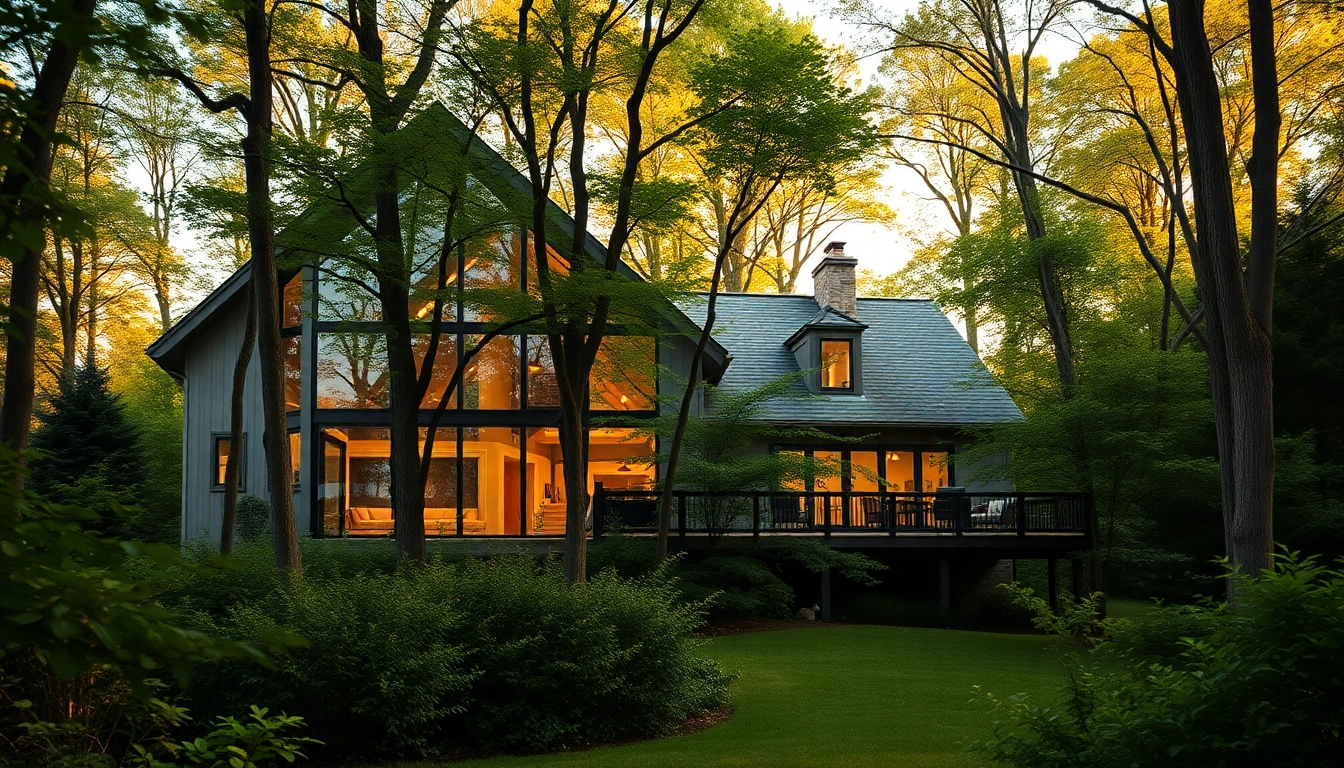
- Modernist: An approach focused on simplicity and functionality, employing clean lines, open spaces, and innovative materials, allowing natural light and the surrounding landscape to play significant roles.
These styles are not only preserved in historical homes but are also frequently revisited and reinterpreted in new builds, making Massachusetts a melting pot of architectural excellence.
Modern Trends and Innovations
In recent years, Massachusetts has seen an emergence of trends that emphasize sustainability, smart technology integration, and open-concept living spaces. Eco-friendly architecture, for example, encourages the use of renewable materials, solar panels, and energy-efficient designs that resonate with environmentally conscious homeowners. Additionally, smart home technologies are becoming integrated into architectural designs, allowing for greater comfort and efficiency. Open-concept layouts, favored for their ability to create flexible, multifunctional spaces, are becoming a hallmark of modern homes, often blurring the lines between indoor and outdoor living.
Choosing Design Elements in Massachusetts
Materials and Sustainability
Sustainability is at the forefront of modern architectural practices in Massachusetts. Choosing the right materials can uphold this ethos while ensuring the structure is resilient and aesthetically pleasing. Common materials include:
- Reclaimed Wood: This eco-friendly option adds character and a historic touch.
- Steel and Concrete: Known for their durability and strength, they are often used in contemporary designs to create bold statements.
- Green Roofs: Utilized to improve insulation and decrease stormwater runoff, these roofs are both functional and visually striking.
The careful selection of materials not only reflects a commitment to sustainability but also enhances the aesthetic appeal, creating homes that resonate with the natural beauty of Massachusetts.
Maximizing Natural Light
Natural light is a critical element in residential architecture, improving mood and enhancing the perceived space within a home. Techniques to maximize this include:
- Large Windows: Strategically placed to catch sunlight at different times of the day.
- Skylights: Adding a vertical source of light while simultaneously providing ventilation.
- Open Floor Plans: Designing rooms that flow into one another allows light to circulate freely throughout the space.
Incorporating these features not only creates an inviting atmosphere but also reduces reliance on artificial lighting, further supporting sustainable living practices.
Incorporating Outdoor Spaces
Outdoor spaces play a vital role in Massachusetts residential architecture, especially given the state’s scenic landscapes. Balancing interior and exterior living contributes to functional and aesthetic harmony. Key elements for successful integration include:
- Patios and Decks: Providing seamless transitions between indoors and outdoors. These areas often serve as additional living spaces during temperate months.
- Landscaping: Thoughtful landscaping enhances natural beauty, while features such as gardens and native plantings help preserve local ecosystems.
- Outdoor Living Rooms: Equipped with amenities such as fireplaces and kitchens, these spaces extend living areas, facilitating social gatherings.
By thoughtfully designing outdoor areas, homeowners can create sanctuaries that enrich their living experience while celebrating the natural surroundings.
Working with Architects for Your Projects
Finding the Right Professional
The journey of designing your dream home begins with selecting the right architect. Look for professionals who specialize in Massachusetts residential architecture and possess a strong portfolio that reflects your desired style. It’s crucial to consider their experience, approach to design, and familiarity with local building codes.
Establishing Your Vision
Clear communication with your architect is essential in translating your vision into reality. Providing detailed descriptions of your needs, desires, and budget constraints will help the architect create a design that aligns with your lifestyle. Make use of sketches or inspiration boards to convey your ideas effectively, enabling collaboration that leads to a successful outcome.
Managing Your Budget
Budgeting is a fundamental aspect of any architectural project. Establishing a clear budget at the outset, including contingencies for unexpected expenses, helps guide design choices. Regular discussions with your architect can ensure that the design remains within financial parameters without sacrificing quality or vision. Transparency throughout the process helps maintain a balance between aspiration and practicality.
Case Studies of Successful Projects
Contemporary Homes
Contemporary homes in Massachusetts often reflect innovative design and an embrace of sustainability. For instance, homes utilizing passive solar design techniques maximize energy efficiency while providing a modern aesthetic. The integration of large windows and open spaces ensures natural light floods the interiors, creating bright, welcoming environments.
Restorations of Historical Buildings
Many architects in Massachusetts specialize in restoring historic buildings, upholding cultural heritage while incorporating modern conveniences. A notable case includes the rehabilitation of a Victorian home, which preserved its intricate woodwork and design while updating its heating and cooling systems. Such projects are critical in maintaining architectural diversity in the region and honoring the stories embedded within these structures.
Innovative Use of Space
Innovative architectural solutions often emerge from the challenge of restricted spaces. For example, the conversion of an older industrial building into multifamily living quarters demonstrates how creativity can repurpose underutilized areas effectively. Functional, flexible design can lead to unique living spaces that resist traditional norms while fully addressing the needs of modern families.
FAQs About Massachusetts Residential Architecture
What defines Massachusetts residential architecture?
Massachusetts residential architecture is characterized by its historical diversity, merging traditional styles with modern innovations, and focusing on sustainability and community integration.
How do I select the right architect?
Look for architects with experience in local styles, an extensive portfolio, and good communication skills. Personal compatibility is also essential for a successful partnership.
What sustainable materials are popular in design?
Common sustainable materials include reclaimed wood, bamboo flooring, and recycled metal. These not only reduce environmental impact but also add unique aesthetic value.
Can I incorporate historic elements in a new build?
Yes, blending historic elements into new builds is common and can enhance architectural character. Consultation with an architect familiar with preservation techniques is crucial.
What are the costs associated with residential architecture?
The costs can vary widely based on design complexity, location, and materials. Typically, budgeting for 10-15% of the overall project cost for architectural services is advisable.