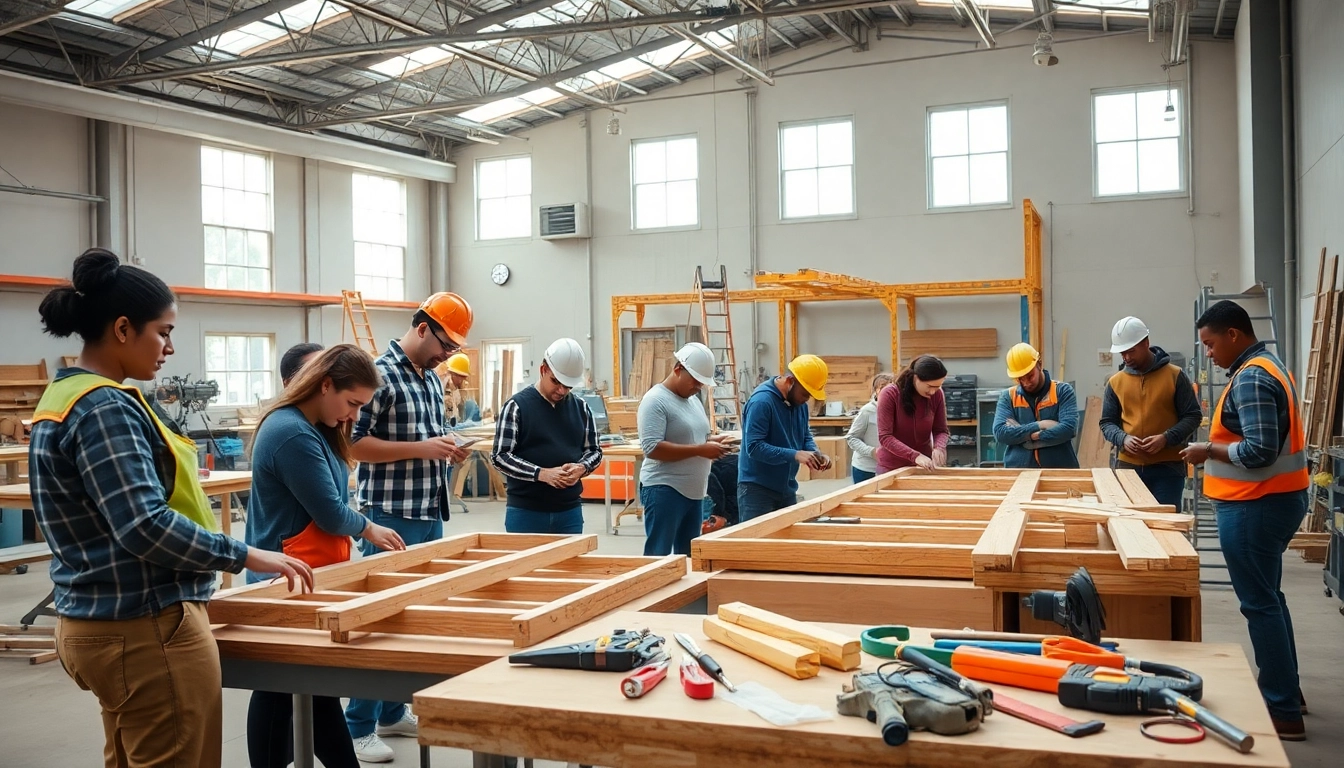
Understanding Construction Craft Training
Definition and Importance
Construction craft training is a specialized educational program designed to equip individuals with the essential skills and knowledge needed to excel in various construction trades. This type of training encompasses a myriad of professions within the construction industry, including carpentry, plumbing, electrical work, masonry, and more. The importance of this training cannot be overstated; it not only prepares the workforce to meet the high standards of safety and quality demanded in construction but also addresses the skill gap in the current labor market. By engaging in construction craft training, individuals significantly enhance their employability and contribute more effectively to their organizations.
Key Skills Acquired
Through construction craft training, participants develop a comprehensive set of skills that are critical for success in the field. Key skills acquired include:
- Technical proficiency: Mastery of tools and techniques specific to a trade.
- Blueprint reading: Ability to accurately interpret architectural drawings and plans.
- Problem-solving: Development of solutions to unexpected challenges on the job site.
- Communication: Effective interaction with colleagues, supervisors, and clients.
- Safety awareness: Knowledge and application of safety protocols to create a safe work environment.
Who Should Pursue Training
Construction craft training is ideal for a variety of individuals, including:
- High school graduates: Those looking to start a career in construction without a college degree.
- Career changers: Individuals seeking to transition into the construction industry from different sectors.
- Apprentices: People undergoing apprenticeships who need formal qualifications alongside practical experience.
- Employers: Organizations that wish to improve the skills of their existing workforce can also benefit from structured training programs.
Benefits of Construction Craft Training
Career Advancement Opportunities
One of the primary benefits of engaging in construction craft training is the enhanced career advancement opportunities it creates. Graduates of training programs are often considered for higher-level positions, tend to command higher salaries, and experience greater job security. As they acquire certifications and credentials through their training, they distinguish themselves in a competitive job market and open doors to leadership roles within their organizations.
Enhanced Skillsets for Employers
Employers benefit immensely from sponsoring construction craft training for their workers. The workforce becomes more skilled and knowledgeable, leading to higher productivity and reduced errors on the job site. Moreover, a well-trained workforce embraces modern techniques and innovations, leading to improved overall project outcomes which can enhance the bottom line of businesses.
Networking and Community Building
Construction craft training fosters networking and creates strong community ties among participants. Students often collaborate with peers, instructors, and industry professionals, building relationships that can lead to job placements, mentorships, and future collaborations. Community building is a critical intangible benefit, as it strengthens the industry's connections and promotes collaboration across trades.
Best Practices for Training Programs
Structuring Effective Training Sessions
Effective training programs are well-structured with clear learning objectives. They should combine theoretical lessons with practical hands-on experiences. Scheduling sessions to accommodate various learning styles—such as visual, auditory, and kinesthetic—ensures all participants gain the most from their training. Utilizing the feedback from past trainees can also provide insights into improving the curriculum and approach to future classes.
Incorporating Safety Protocols
Safety in construction cannot be overstated. Training programs must incorporate comprehensive safety protocols, including emergency response procedures, hazard recognition, and personal protective equipment usage. Practicing these protocols in simulated environments can prepare trainees to maintain a safety-first mindset when working on actual job sites.
Utilizing Modern Training Tools
Leveraging technology plays a significant role in modern training. Utilizing virtual reality (VR) and augmented reality (AR) can enhance practical training experiences by allowing trainees to practice skills in simulated environments. Additionally, digital learning platforms can provide supplementary materials for trainees, making learning more accessible and flexible.
Real-World Applications of Construction Craft Training
Case Studies of Successful Trainees
The impact of construction craft training can be exemplified through various success stories. Consider a trainee who completed his training in carpentry and quickly ascended from an entry-level position to a site foreman within a few years. His training provided the essential skills that enabled him to manage teams effectively and oversee complex projects, showcasing how structured training can propel individuals into leadership roles.
Employer Testimonials
Employers frequently recognize the value of investing in training. One CEO noted that the skills learned by his employees during construction craft training led to a marked improvement in project timelines and quality. Initiatives that focus on skill enhancement not only benefit the employees but significantly contribute to the success of the business overall.
Impact on Local Communities
Beyond individual and organizational benefits, construction craft training has a transformative impact on local communities. By providing individuals with job-ready skills, it reduces unemployment rates and stimulates economic growth. Furthermore, communities benefit from enhanced infrastructure and services due to the skilled laborers trained to construct and maintain local projects.
FAQs About Construction Craft Training
What is construction craft training?
Construction craft training prepares individuals with the essential skills and knowledge needed for various trades in the construction industry.
How long does the training take?
The duration of construction craft training varies depending on the program, typically ranging from a few weeks to several months.
What are the costs involved?
Costs vary based on the provider and type of training. Many programs offer financial aid or scholarships to assist participants.
Is there an age limit for participants?
No specific age limit exists for construction craft training; however, most programs require participants to be at least 18 years old.
How can I find a training program near me?
You can find local construction craft training programs through community colleges, vocational schools, or industry-specific organizations.