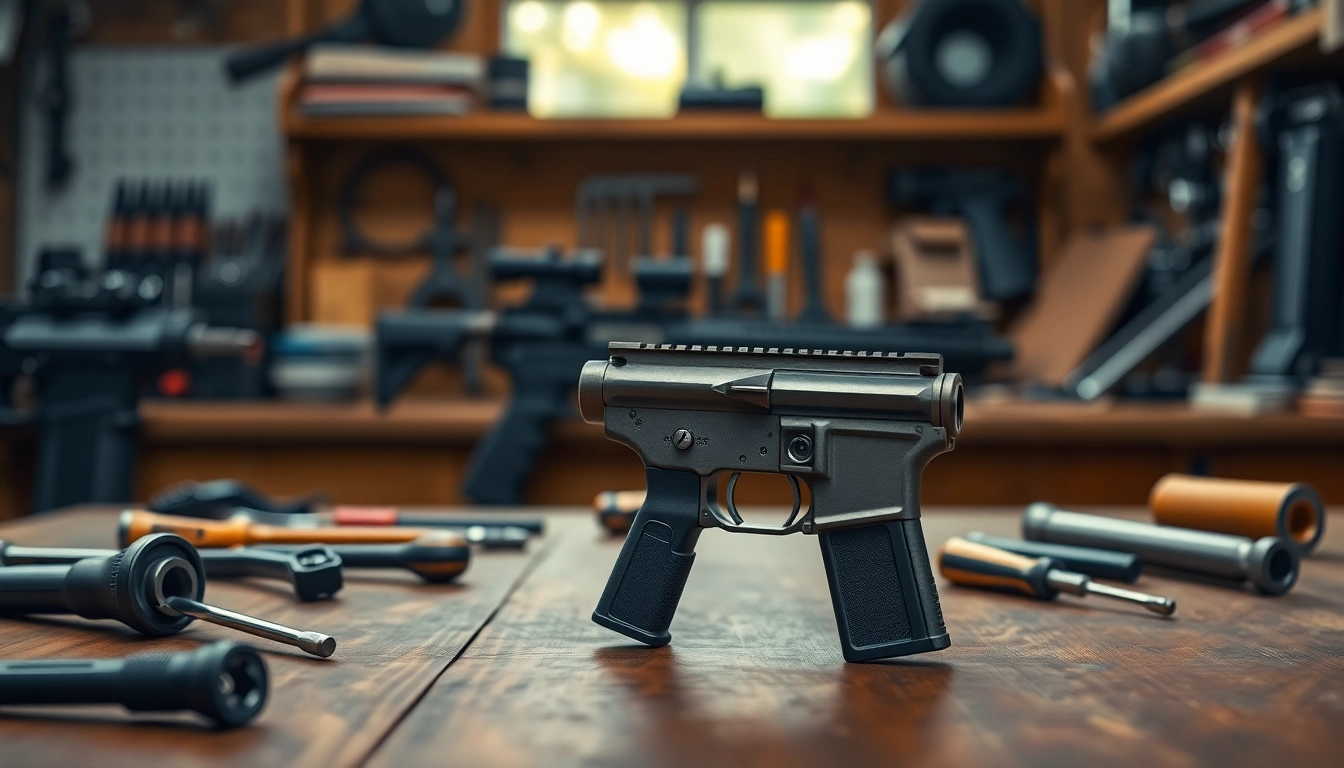
Understanding the Basics of AR 15 Trigger Mechanics
The AR 15 trigger is a crucial component of the AR-15 rifle platform, influencing not only the shooter's precision but also the overall shooting experience. Understanding its mechanics is essential to improving your firearm's performance and enhances safety during operation.
What is an AR 15 Trigger?
At its core, the AR 15 trigger is a device that has the vital role of releasing the firing mechanism when the shooter applies pressure. This action is the culmination of various components working in harmony to perform precise and reliable shooting. An effective trigger allows shooters to develop better accuracy and control over their shots, making it an essential part of any AR-15 build.
Types of AR 15 Triggers Explained
There are primarily two types of triggers used in AR-15 rifles: single-stage and two-stage triggers. Single-stage triggers provide a straightforward pull which you can take action on with minimal resistance. In contrast, two-stage triggers require a deliberate initial pull to "take up" the slack before reaching a wall that you must break to fire. Each type caters to different shooting styles and preferences.
Key Components of the AR 15 Trigger System
The AR 15 trigger system comprises several components including the trigger itself, hammer, disconnector, and trigger spring. Each part plays a vital role in the shooting process:
- Trigger: The mechanism that you pull to release the hammer.
- Hammer: Strikes the firing pin when released by the trigger.
- Disconnector: Ensures the hammer is reset correctly between shots.
- Trigger Spring: Restores the trigger to its original position after release.
Factors to Consider When Choosing an AR 15 Trigger
Pull Weight Preferences
Pull weight, or how much force is required to pull the trigger, is a critical consideration. A lighter pull weight can enhance accuracy and decrease trigger fatigue, but it can also increase the risk of accidental discharges. Most shooters prefer a pull weight between 3 to 6 pounds, although this is subjective and varies depending on individual shooting styles.
Single vs. Two-Stage Triggers
The decision between a single-stage and two-stage trigger depends on the shooter’s goals. Single-stage triggers are often preferred for tactical shooting, providing quicker response times, while two-stage triggers are valued in precision and long-range shooting for their ability to offer feedback through the trigger pull.
Trigger Safety Features
Safety is paramount when handling firearms, which is why many AR 15 triggers come with built-in safety features. Look for triggers that offer positive resets, robust designs to prevent accidental discharge, and secure mounting solutions. Understanding these features can help you avoid dangerous situations and improve your rifle's reliability.
Installation and Maintenance of AR 15 Triggers
DIY Installation Guide
Installing an AR 15 trigger can be a rewarding DIY project. To do it correctly, start by unloading the firearm and disassembling it per the manufacturer's guidelines. Next, replace the factory trigger with the new one by carefully inserting it into the trigger housing and securing it with the provided pins. Ensure that all components are seated properly to avoid any malfunction during use.
Common Installation Mistakes
While installing your AR 15 trigger, be aware of common mistakes that can affect functionality. One mistake is failing to align the disconnector correctly, leading to a malfunction. Additionally, over-tightening screws can damage the delicate components. Always double-check your work and ensure the firearm functions as intended before use.
Ongoing Maintenance Tips
Regular maintenance is essential for the longevity of your AR 15 trigger. Clean the trigger assembly frequently to remove any debris or residue that can cause issues. Lubrication is equally important—use a light, non-greasy lubricant to ensure smooth operation without attracting too much dirt. Regular checks of trigger operation can prevent failures during critical moments.
Performance Enhancements with AR 15 Triggers
How Triggers Affect Shooting Accuracy
A well-chosen AR 15 trigger can significantly enhance shooting accuracy by providing a consistent and predictable pull. Whether shooting for precision or tactical purposes, a better trigger allows for more controlled shots and less deviation from the target. Nearly every professional shooter agrees that an upgraded trigger contributes to improved shooting fundamentals.
Impact on Trigger Control
Effective trigger control is essential for marksmanship. An appropriate AR 15 trigger allows shooters to establish a solid grip and pull, reducing the chances of flinching or jerking the shot. This ultimately leads to improved overall shooting technique, especially for new shooters learning to master recoil and accuracy.
Choosing for Competitive Shooting vs. Tactical Use
When selecting an AR 15 trigger, consider the application. Competitive shooters may prefer lighter, more responsive triggers, allowing for faster follow-up shots. Tactical shooters, on the other hand, may lean towards heavier triggers that provide additional safety during rapid engagements. Tailoring your choice according to intended use can enhance your rifle's efficiency and your shooting performance.
Frequently Asked Questions about AR 15 Triggers
What is the best trigger for an AR-15?
The best trigger varies based on personal preference and use. Many prefer a lightweight, single-stage trigger for rapid shooting, while others might choose a two-stage trigger for more accuracy.
Are forced-reset triggers legal now?
As of now, the legal status of forced-reset triggers is subject to change. While they are legal under federal law, various state laws may differ, so it's essential to check local regulations.
Is it worth upgrading the AR 15 trigger?
Upgrading your AR 15 trigger can markedly improve shooting performance, enhance accuracy, and provide a smoother trigger pull, making it a worthwhile enhancement for serious shooters.
How often should I maintain my AR 15 trigger?
Routine maintenance should be performed regularly, particularly before and after extensive shooting sessions. Cleaning and lubricating the trigger assembly can prevent wear and ensure reliable function.
Can I use aftermarket triggers in my AR 15?
Yes, aftermarket triggers can be used in an AR 15, provided they are compatible with your specific model. Ensure that the trigger fits your rifle’s specifications for optimal performance.