Understanding Marginal Pond Plants
Marginal pond plants are the green jewels that frame the edges of aquatic habitats, playing a crucial role in maintaining the health and beauty of ponds. These plants typically thrive at the water's edge or in shallow areas, creating lush habitats that support diverse wildlife. As gardening enthusiasts increasingly turn their attention to sustainable practices, understanding the importance and selection of Marginal Pond Plants becomes essential for fostering eco-friendly garden ecosystems.
What Are Marginal Pond Plants?
Marginal pond plants are defined as aquatic plants that grow in the shallow water along the margins of ponds and lakes. They are primarily rooted in the soil but can have parts that float on the water surface or are submerged. These hardy plants include various grasses, sedges, and flowering species that adapt well to both wet soil and fluctuating water levels. Their growth habit not only adds visual interest to your garden but also creates a habitat for local wildlife.
The Ecological Importance of Marginal Plants
Marginal pond plants play several critical ecological roles in aquatic environments:
- Water Filtration: They aid in filtering pollutants and excess nutrients from the water, contributing to improved water quality.
- Habitat Creation: These plants provide nesting and shelter for various species, including birds, amphibians, and beneficial insects.
- Soil Stabilization: Their extensive root systems help prevent erosion of pond banks, keeping sediments in place.
- Biodiversity Support: These plants contribute to a diverse ecosystem, attracting various fauna to the pond area.
Common Types of Marginal Pond Plants
Several species thrive as marginal pond plants, each offering unique features that enhance pond biodiversity and aesthetics:
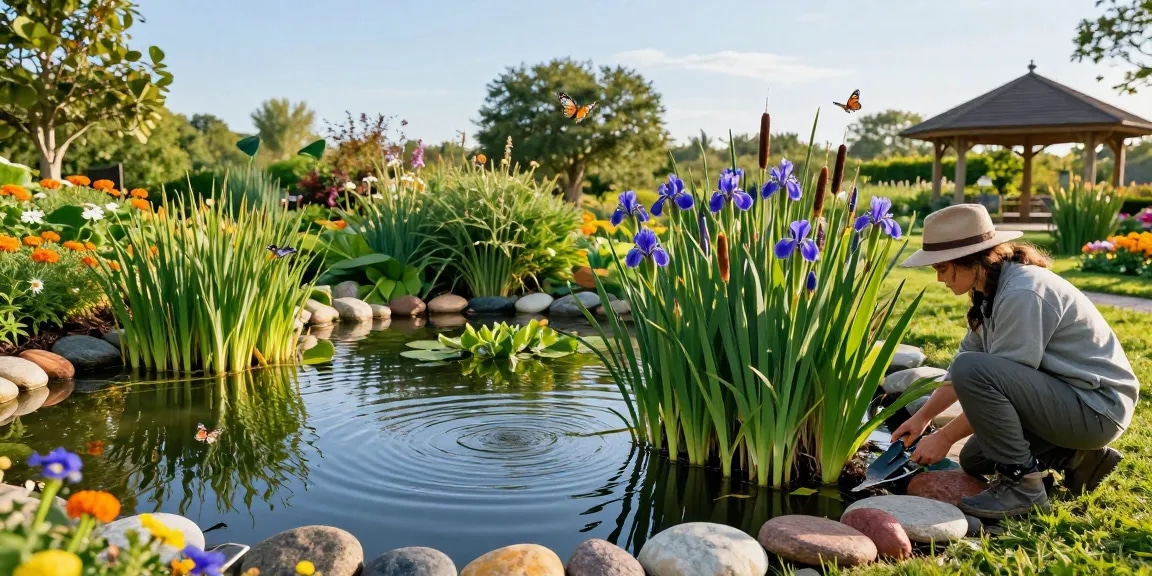
- Yellow Flag Iris (Iris pseudacorus): A vibrant flowering plant known for its tall, sword-like leaves and bright yellow blooms.
- Cattails (Typha spp.): Recognizable by their tall stalks and brown flower spikes, they offer excellent habitat for wildlife.
- Water Mint (Mentha aquatica): A fragrant herb that thrives in wet conditions, attracting pollinators with its delicate purple flowers.
- Marsh Marigold (Caltha palustris): Known for its striking yellow flowers in early spring, this plant thrives in damp soil and shallow waters.
Choosing the Right Marginal Pond Plants for Your Garden
When selecting marginal pond plants for your garden, it’s vital to consider several factors that affect their growth and suitability for your environmental conditions.
Factors to Consider When Selecting Plants
Here are key aspects to evaluate:
- Climate Zone: Different plants thrive in varying climates; know your USDA Hardiness Zone to choose the right species.
- Sunlight Availability: Some marginal plants prefer full sun, while others thrive in partial shade.
- Water Depth: Assess the depth of the water where you plan to plant; some species prefer shallower areas than others.
- Soil Type: Consider whether your soil is clayey, sandy, or loamy, as this will influence plant health.
Best Marginal Plants for Different Climate Zones
Selecting the right plants based on your climate zone can lead to a thriving pond ecosystem. Here are some recommended plants:
- Cold Climates: Water lilies, Marsh Marigold, and Broadleaf Cattail. These species can tolerate frost and thrive in cooler climates.
- Warm Climates: Pickerelweed and Arrowhead are well-suited for warmer temperatures and provide excellent foliage.
- Mild Climates: Yellow Flag Iris and Water Mint flourish in areas with less severe temperature fluctuations.
How to Create a Balanced Ecosystem with Marginal Plants
Creating a balanced ecosystem with marginal plants requires thoughtful planning:
- Layering: Plant taller species at the back and shorter ones at the front for visual depth.
- Diversity: Incorporate a mix of plant types to attract various wildlife species and create a habitat.
- Seasonality: Choose plants that bloom at different times to ensure year-round interest and food sources for wildlife.
Planting and Care Tips for Marginal Pond Plants
Proper planting and maintenance practices are crucial for the healthy growth of marginal pond plants.
Step-by-Step Guide to Planting Marginal Plants
To successfully plant marginal pond plants, follow these steps:
- Select the Right Time: Early spring or fall is the best time to plant.
- Prepare the Area: Clear the area of debris and unwanted plants.
- Planting: Dig a hole slightly wider than the root ball. Place the plant at the same depth it grew in its pot.
- Watering: Water the plant thoroughly after planting and monitor for moisture levels.
Maintenance Best Practices for Healthy Growth
Regular maintenance is essential for keeping your marginal plants healthy:
- Pruning: Remove dead or damaged foliage to promote new growth.
- Fertilizing: Use slow-release, organic fertilizers during the growing season to provide nutrients.
- Water Management: Keep an eye on water levels; ensure they remain appropriate for the plants.
Common Pests and Diseases to Watch Out For
Be vigilant against various pests and diseases that can affect your marginal pond plants:
- Snails: While some are beneficial, others can damage the leaves. Manual removal is often effective.
- Fungal Diseases: Ensure good airflow and avoid overwatering to minimize the risk of fungal issues.
- Aphids: These can be managed with insecticidal soap or by introducing natural predators like ladybugs.
Enhancing Your Pond's Aesthetic with Marginal Plants
Marginal pond plants not only provide ecological benefits but also significantly enhance the aesthetic appeal of your garden.
Designing with Marginal Plants: Layout Tips
To effectively incorporate marginal plants into your pond design, consider these layout tips:
- Natural Groupings: Plant in clusters rather than single specimens to create a more natural look.
- Height Variation: Use a variety of plant heights to create visual interest along the pond's edges.
- Color Coordination: Combine plants with different flower colors for a stunning visual display.
Complementary Plants for Marginal Species
Consider pairing marginal plants with other aquatic or terrestrial plants to enhance biodiversity and aesthetics:
- Water Lilies: Their floating leaves create a beautiful contrast with the upright forms of marginal plants.
- Floating Aquatics: Plants like duckweed or water lettuce can provide shade and reduce algae growth.
- Terrestrial Plants: Incorporate native wildflowers around the pond’s edge for a seamless transition and habitat connection.
Seasonal Changes and Plant Care Adjustments
Different seasons bring unique care requirements for marginal pond plants:
- Spring: Focus on planting, fertilizing, and monitoring for pests.
- Summer: Regular watering and deadheading spent flowers will encourage more blooms.
- Autumn: Prepare for winter by cutting back dead foliage and removing debris.
- Winter: In extremely cold areas, consider covering vulnerable plants or moving pots indoors.
Future Trends in Aquatic Gardening (2026 and Beyond)
As we look ahead to 2026, trends in aquatic gardening are expected to evolve, influenced by environmental considerations and gardening technologies.
Innovative Approaches to Marginal Plant Cultivation
Future gardening practices may include:
- Hydroponic Systems: These systems could become popular for growing marginal plants, allowing for year-round growth.
- Native Plant Emphasis: There will likely be a stronger focus on using native species to support local ecosystems and biodiversity.
Benefits of Sustainable Gardening Practices
Sustainable gardening will become increasingly important, promoting practices such as:
- Organic Pest Management: Reducing chemical use to promote healthier ecosystems.
- Water Conservation: Utilizing rainwater harvesting systems to maintain pond health.
Predictions for Marginal Pond Plant Popularity in 2026
By 2026, interest in marginal pond plants is expected to grow due to:
- Increased Awareness: A greater understanding of their ecological benefits will encourage homeowners to incorporate these plants.
- Design Versatility: As garden aesthetics evolve, the use of marginal plants for unique landscaping designs will gain traction.
What are the best marginal pond plants for beginners?
For novice gardeners, consider starting with easier-to-maintain plants like Cattails, Water Mint, and Marsh Marigold. These species are hardy, require minimal care, and establish quickly.
How often should I maintain my pond plants?
Maintain your pond plants at least once a month during the growing season. This includes checking for pests, deadheading flowers, and ensuring adequate water levels.
Can marginal plants help with pond water quality?
Yes, marginal plants improve pond water quality by absorbing excess nutrients and providing oxygen, which benefits aquatic life.
What are the best plants for wildlife in and around ponds?
Species such as Yellow Flag Iris, Cattails, and various sedges provide habitats and food sources for diverse wildlife, making them ideal for attracting birds, amphibians, and beneficial insects.
How do I propagate marginal pond plants?
Propagation can be achieved through division during the growing season or from seeds. Ensure the new plants are placed in suitable conditions to thrive.