The Basics of Saltwater Fly Fishing
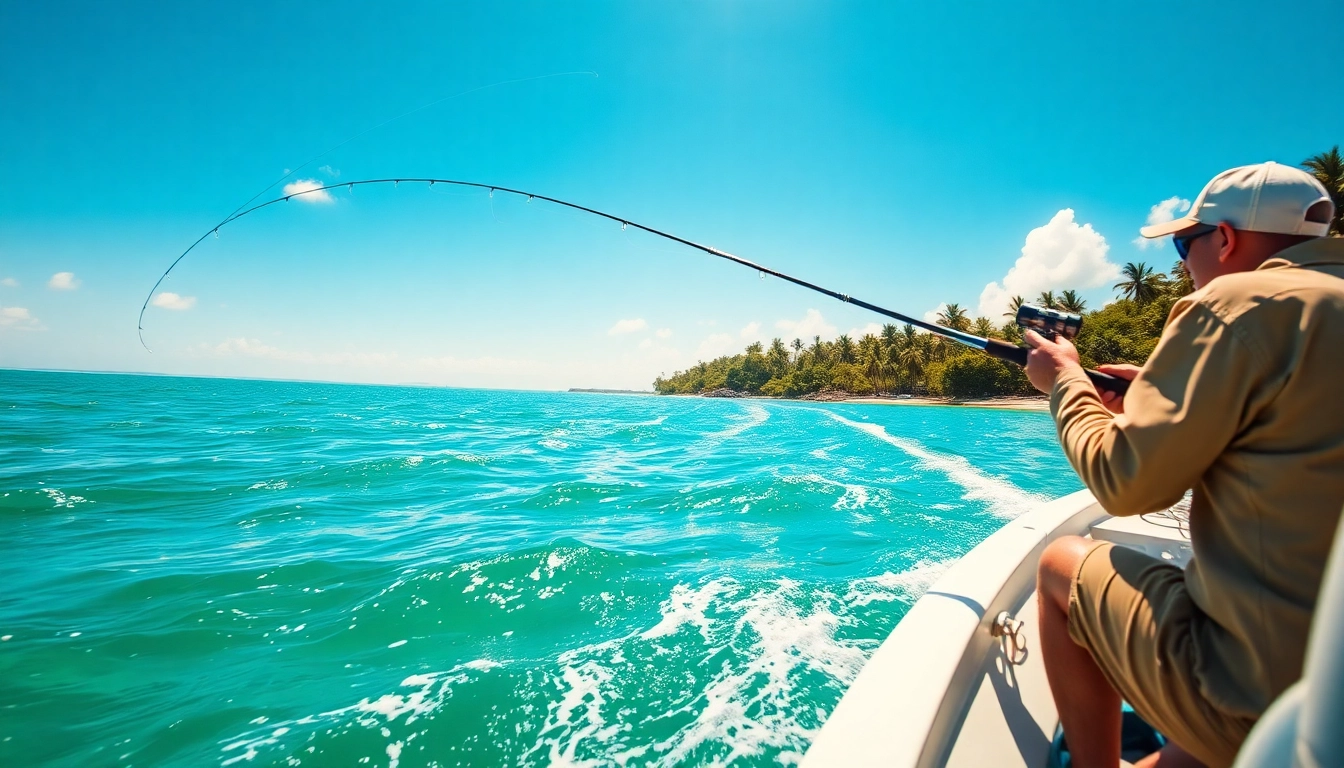
Saltwater fly fishing is an exhilarating pursuit that combines the artistry of fly casting with the thrill of targeting species found in oceans, bays, and estuaries. Whether you're a beginner or an experienced angler, mastering the essentials of this sport is crucial for success. In this article, we’ll explore the fundamentals of Saltwater fly fishing, including the unique environments, essential gear, and basic casting techniques.
Understanding Saltwater Environments
Saltwater environments are highly dynamic and can greatly influence fish behavior. Knowing the specific habitats, such as flats, reefs, and deep waters, is essential for effective fishing. Saltwater fish often prefer warmer temperatures, so understanding seasonal changes can enhance your success rate. Additionally, factors like salinity, underwater structure, and tidal patterns affect fish movement and availability.
Key Equipment for Saltwater Fly Fishing
Equipment choices play a significant role in the effectiveness of your fly fishing. Here are the essential components:
- Rod: A 9 to 10-foot fly rod is generally ideal for saltwater conditions. It should be robust enough to handle larger fish.
- Reel: A fully sealed reel is necessary to withstand saltwater conditions, preventing corrosion and ensuring smooth operation.
- Line: Floating and sinking lines have their respective uses. Floating lines are preferable for topwater action, while sinking lines help reach deeper waters.
- Flies: Use patterns that mimic local baitfish and crustaceans. Popular choices include clousers, deceivers, and crab patterns.
Beginner Casting Techniques
Effective casting is crucial for success. Beginners should focus on the basic overhead cast, which involves the following steps:
- Start with the rod tip low to load the line behind you.
- Smoothly raise the rod tip to a vertical position while allowing the line to extend behind you.
- Bring the rod forward, releasing the line as the rod tips downward towards your target.
Practice in open areas before moving to the water to develop your muscle memory and improve accuracy.
Essential Strategies for Saltwater Fly Fishing
To increase your effectiveness on the water, adopting strategic approaches can significantly improve your performance. Let's dive into the essential strategies for Saltwater fly fishing.
Reading Tides and Currents
Tides and currents shape the environment, influencing where and when fish are present. Understanding the tidal cycle helps identify optimal fishing times. Generally, incoming and outgoing tides are preferable as they trigger feeding activity.
Use tidal charts to predict water levels and current speeds, and consider the lunar cycle, as fish tend to feed more actively during full and new moons.
Choosing Effective Flies for Different Species
Selecting the right fly is critical for enticing saltwater species. Some fish, like bonefish, respond well to small, subtle presentations, while others, like tarpon, require larger, more aggressive patterns. Research local species and match the hatch to ensure success.
Experimenting with different colors, sizes, and styles can lead to breakthroughs. Observation is key; study local bait patterns and conditions to optimize your fly selection.
Optimal Fishing Times and Conditions
Timing and environmental conditions greatly affect fishing success. Early mornings and late afternoons typically yield the best results. Cloud cover can enhance fishing by softening light and making fish feel more secure.
Wind can also play a role. Light winds can be advantageous, helping to conceal your casts while strong winds might necessitate heavier equipment.
Advanced Techniques for Experienced Anglers
As you grow more comfortable, incorporating advanced techniques can elevate your fishing game. These methods require practice and understanding of the nuances of saltwater fly fishing.
Offshore Saltwater Fly Fishing Tips
Offshore fishing presents unique opportunities and challenges. When venturing into deeper waters, be aware of factors like boat control and targeted species behavior. Key techniques include:
- Learning to read offshore structure such as reefs and drop-offs where fish congregate.
- Utilizing heavy gear for larger species like sharks and marlin.
- Staying anchored in the right areas and using chum to attract fish.
Targeting Specific Species in Saltwater
Each species of fish in saltwater presents unique challenges. For instance:
- Tarpon: Experienced anglers should focus on quick retrievals and strikes, as tarpon are known for their acrobatics.
- Permit: This species often requires stealth and precision due to their cautious nature. Consider using crab patterns for better results.
- Striped Bass: Understanding their migration patterns and feeding habits can help you time your trips effectively.
Using Technology to Enhance Your Experience
Modern technology significantly enhances the fishing experience. Tools like fish finders, mobile apps to track tides and weather conditions, and even social media platforms can provide anglers an edge in learning and sharing experiences.
Utilizing drones for scouting fishing locations before heading out can maximize your time spent on the water, allowing you to focus on catching rather than searching.
Popular Destinations for Saltwater Fly Fishing
Identifying popular destinations around the globe can ignite your passion for saltwater fly fishing. Each location offers its own unique experiences and species to target.
Top Locations in the U.S. for Saltwater Fly Fishing
The U.S. is home to some of the best saltwater fly fishing destinations:
- Florida Keys: Known for its diverse species, including tarpon and bonefish, the Keys are a paradise for fly fishers.
- Outer Banks, North Carolina: Famous for its abundant striped bass and red drum, making it a popular destination in fall and spring.
- San Diego, California: Offers a variety of saltwater species, including yellowtail and dorado.
International Destinations Worth Exploring
If you're looking for adventure, several international destinations offer outstanding Saltwater fly fishing:
- Bahamas: Home to expansive flats and crystal-clear waters, the Bahamas provide excellent opportunities for bonefish and permit.
- Belize: This destination offers a mix of reef fishing and flat fishing, with diverse species, including tarpon and snook.
- Australia: Known for its giant trevally, Australia’s coastal areas provide unique fishing challenges and experiences.
Local Spots That Provide Unique Experiences
Often, local spots provide hidden gems for saltwater fly fishing enthusiasts. Explore lesser-known areas that might not attract tourist crowds, leading to better fishing conditions and personal interactions with the environment.
Rivers that meet the ocean and estuaries can yield rich fishing experiences with diverse species, often overlooked by seasoned anglers who flock to popular hotspots.
Maintaining Your Gear and Skills
Keeping your gear maintained and actively seeking to improve your skills are integral parts of being a successful saltwater fly fisher.
Essential Maintenance for Saltwater Fly Fishing Gear
Saltwater environments can be harsh on fishing gear. Regular maintenance ensures longevity and reliability:
- Rinse all gear with fresh water after each use to remove salt residue.
- Inspect reels, rods, and lines for signs of wear or damage regularly.
- Store your equipment in a cool, dry place, ideally in protective cases.
Continuous Learning and Community Involvement
Joining local fishing clubs or online communities fosters learning and sharing experiences. Engaging with fellow anglers can provide valuable insights, tips, and camaraderie. Participate in workshops, seminars, and community events to further hone your skills and knowledge.
Tracking Progress and Setting Goals
As with any sport, setting specific goals helps maintain motivation and improvement. Keep a fishing journal to track your catches, conditions, and techniques that worked well. This reflective practice not only enhances your skills but also deepens your appreciation for the sport of Saltwater fly fishing.