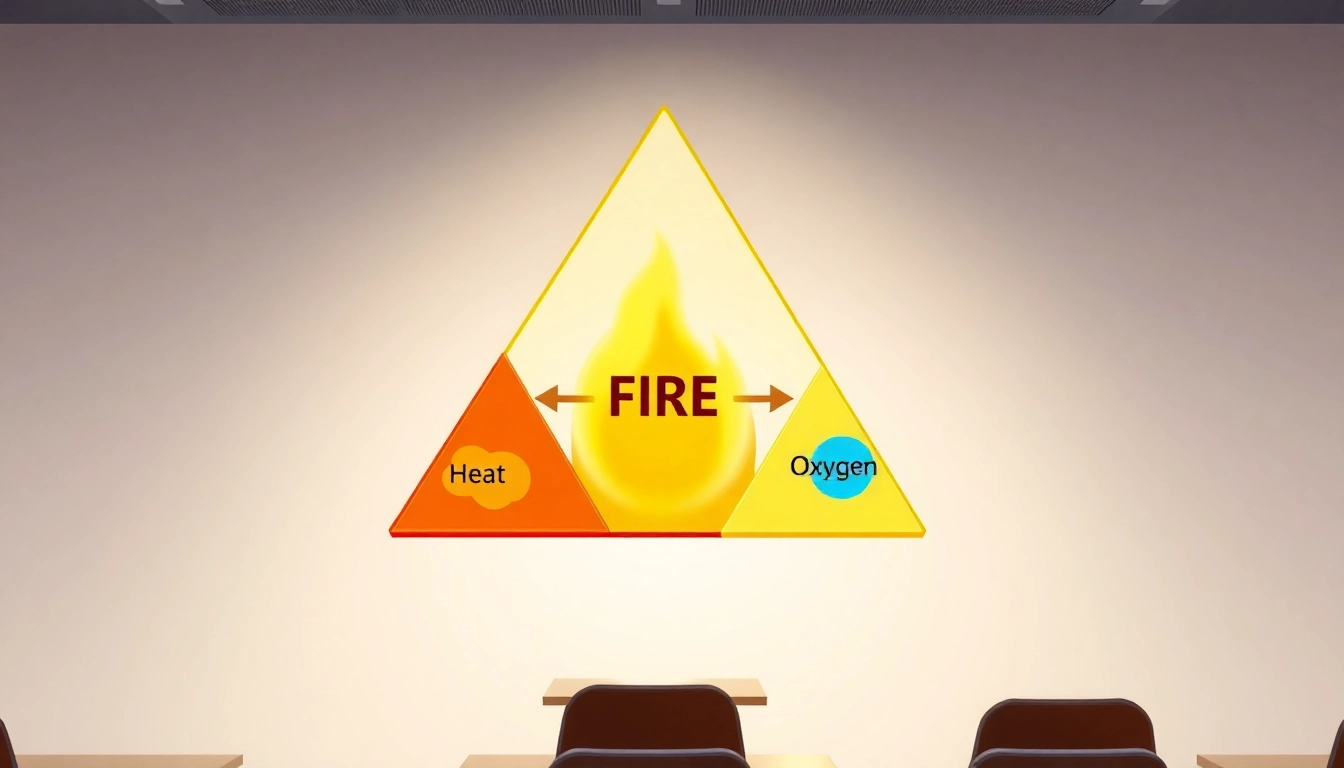
Understanding the Fire Tetrahedron
What is the Fire Tetrahedron?
The fire tetrahedron is a fundamental concept in fire science that enhances our understanding of how fires ignite and sustain themselves. It builds upon the fire triangle, which comprises three critical elements: heat, fuel, and oxygen. The tetrahedron adds a fourth element—chemical chain reaction—highlighting the complex interplay between these components that leads to combustion. Understanding the fire tetrahedron is crucial for effective fire safety, prevention, and firefighting strategies in various environments, from homes to industrial settings.
By recognizing the significance of the fire tetrahedron, individuals can develop better strategies for controlling fires and implementing safety measures, ultimately saving lives and property.
The Four Essential Elements of Fire
To fully grasp the fire tetrahedron, it’s necessary to explore each of its four essential elements in detail:
- Heat: Heat is the energy required to elevate the temperature of a substance to its ignition point. It can be produced by various means, including electrical sparks, open flames, and even chemical reactions.
- Fuel: Fuel comprises any combustible material that can sustain a fire. This includes solids such as wood or paper, liquids like gasoline, and gases such as propane. The characteristics of the fuel—its composition, size, and shape—affect how effectively it can burn.
- Oxygen: Comprising about 21% of the Earth’s atmosphere, oxygen is essential for the combustion process. Without it, fire cannot sustain itself. The more oxygen available, the more intense the fire can grow.
- Chemical Chain Reaction: This crucial element refers to the series of chemical reactions that occur once a material ignites. This reaction produces additional volatile compounds, which can ignite new sources of fuel. This cyclic process maintains the fire and accelerates its spread if not controlled.
Historical Context and Development
The conceptualization of the fire tetrahedron traces back to the early 20th century when scientists critically examined the dynamics of combustion. The fire triangle was initially proposed to simplify the understanding of fire; however, researchers identified that the process of combustion is more complex and involves ongoing chemical reactions. This realization led to the introduction of the fire tetrahedron, marking a significant advancement in fire science.
As fire safety evolved, understanding the tetrahedron became paramount for developing comprehensive fire prevention strategies. Firefighters, safety engineers, and educators rely on this knowledge to address fire risks efficiently and effectively, adapting practices for changing environments and materials.
How Each Element Works Together
The Role of Oxygen in Combustion
Oxygen is perhaps the most critical component of the fire tetrahedron. It supports the oxidation reaction during combustion, where fuel combines with oxygen to release energy in the form of heat and light. In any given fire scenario, the availability of oxygen determines the intensity and duration of the fire. Environments with lower oxygen levels will experience slower combustion rates and diminished fire intensity.
Fire safety protocols often involve controlling the oxygen supply to manage and extinguish fires. Techniques such as smothering fires with blankets or foam aim to reduce oxygen access, thereby interrupting the chemical chain reaction and ultimately extinguishing the blaze.
Understanding Heat in Fire Dynamics
Heat serves as the ignition source and fuel accelerator within the fire tetrahedron. It can be transferred through conduction, convection, or radiation, significantly influencing how quickly a fire can spread. Combustion initiates when materials reach their ignition temperature, at which point the heat produced from the chemical reactions escalates the overall fire activity.
In fire safety applications, understanding heat dynamics is crucial. Building materials, insulation, and flame spread indices are all evaluated for their heat resistance to enhance structural safety. Firefighters must also understand heat levels to formulate strategies for cooling down and extinguishing ongoing fires.
Fuel Sources: Types and Characteristics
Fuel appears in various forms, and understanding its properties is vital for anticipating fire behavior. Common types of fuel include:
- Solid Fuels: Wood, paper, and textiles are solid fuels commonly associated with residential fires. Their structure and moisture content profoundly influence burning rates and fire spread.
- Liquid Fuels: Gasoline, oil, and alcohol are categorized as liquid fuels. They tend to have higher volatility than solids, creating a rapid fire spreading potential and necessitating specialized handling measures.
- Gaseous Fuels: Natural gas and propane are examples of gaseous fuels that can pose unique fire hazards. Their lighter-than-air characteristics mean they can collect and ignite quickly if leaks occur.
Each type of fuel has unique combustion properties, making it essential for fire safety protocols to consider the prevention and management of these materials in different environments.
Application of the Fire Tetrahedron in Safety Protocols
Implementing Fire Prevention Strategies
Effective fire prevention strategies hinge on a thorough understanding of how each element of the fire tetrahedron interacts. Key strategies include:
- Removing Fuel Sources: Regularly maintaining environments to eliminate potential fuel sources, such as dry vegetation outside buildings or cluttered materials inside, can substantially reduce fire risk.
- Controlling Oxygen Levels: Utilizing fire retardants and designing buildings in ways that limit airflow can significantly impede fire growth. Fire-resistant materials also help mitigate oxygen access.
- Minimizing Heat Sources: Conducting rigorous maintenance on electrical systems, appliances, and machinery to prevent overheating or sparks can reduce ignition sources substantially.
Organizations must consistently train personnel on these strategies, ensuring that fire prevention becomes a regular part of workplace culture.
Training Personnel on Fire Safety
Fire safety training is paramount for effective fire management in any organization. Training programs should address key concepts of the fire tetrahedron, ensuring every member understands not only their role but also why fire safety procedures are vital. Essential components of training might include:
- Identifying Fire Hazards: Teaching staff to recognize potential hazards in their environment empowers them to take proactive measures to mitigate risks.
- Emergency Response Procedures: Regular drills should provide practical experiences on how to respond effectively when a fire is detected, including evacuating safely and notifying emergency personnel.
- Use of Fire Extinguishers: Training employees on how to operate different types of extinguishers based on fire classes can significantly enhance on-site fire defense.
This knowledge forms the backbone of an organizational fire safety culture, reducing risks and enhancing readiness in the event of an emergency.
Real-life Case Studies of Fire Incidents
Analyzing historical fire incidents helps illuminate the principles of the fire tetrahedron in action. Two notable case studies showcase both failures and successes in fire management:
The Triangle Shirtwaist Factory Fire (1911): This tragic event in New York City resulted in the deaths of 146 garment workers, primarily due to locked exits that prevented escape. The fire, fueled by flammable materials and exacerbated by inadequate safety practices, underscored the need for comprehensive fire safety regulations and response training.
The Station Nightclub Fire (2003): In this incident, the use of flammable foam and poor crowd control led to rapid fire spread, resulting in 100 fatalities. This case prompted nationwide reviews of fire codes and regulations, emphasizing the importance of managing fuel sources and improving safety protocols.
Study outcomes from both incidents have shaped modern fire safety legislation and the public's approach to fire prevention, providing crucial lessons learned.
Common Misconceptions About the Fire Tetrahedron
Debunking Myths about Combustion
Understanding fire dynamics is crucial to effective safety and prevention, yet several misconceptions persist:
- Myth 1: All fires requires the same conditions: In reality, each type of fuel has unique ignition and combustion characteristics, requiring tailored safety approaches.
- Myth 2: Fire can’t spread in controlled environments: Fires can spread quickly in any setting if the appropriate elements of the tetrahedron are present; hence, prevention remains critical.
- Myth 3: Water is always the best extinguishing agent: Water can exacerbate certain types of fires (e.g., electrical or oil fires). Knowledge about the fire tetrahedron informs the correct choice of extinguishing agents.
Understanding the Fire Triangle vs. Tetrahedron
While the fire triangle simplifies fire dynamics to three elements, the tetrahedron presents a more complete model that incorporates the chemical chain reaction. This addition is essential for understanding the complexities of how fires ignite and propagate.
Safety protocols based on the tetrahedron are inherently more effective, as they take into account all necessary components for fire behavior. Organizations and individuals must be educated on this model to grasp the full scope of fire dynamics and preparedness.
The Importance of Accurate Fire Education
Accurate education about fire dynamics is crucial for effective prevention and safety practices. Programs that focus on the fire tetrahedron not only help individuals understand the science behind fire but also empower them to take actionable steps towards safety.
Developing a culture of fire awareness and safety culminates from engaging educational initiatives that break down complex concepts into digestible formats. Training sessions, workshops, and seminars can bridge knowledge gaps and equip participants with the tools they need to respond to fire risks effectively.
Future Trends in Fire Safety Education
Integrating Technology in Fire Training
Advancements in technology are redefining how fire safety education is delivered. Augmented reality (AR) and virtual reality (VR) simulations offer immersive training experiences where individuals can experience realistic fire scenarios without risk. These technologies allow participants to understand the impacts of the fire tetrahedron in a controlled environment, enhancing retention and preparedness.
Mobile applications that provide instant resources and alert systems are also becoming commonplace, allowing users to access fire safety protocols and emergency contacts quickly in case of fire incidents.
The Role of Legislation in Fire Safety Practices
Legislation plays a pivotal role in shaping fire safety standards and practices. Governments and regulatory agencies continue to revise codes and standards to reflect new insights and techniques emerging in fire science, safety, and prevention. These updates ensure that building codes, safety regulations, and training requirements align with current risks and advancements.
Professionals within the field must advocate for compliance and the continuous improvement of safety standards to protect lives and property effectively. Engaging with policymakers and staying informed about legislative changes is crucial for those involved in fire safety management.
Emerging Research on Fire Prevention Techniques
Continued research into fire prevention techniques is of utmost importance as new materials and systems are continually developed. Innovations in fire retardants, building materials, and extinguishing agents are providing fresh insights into effectively managing fire hazards.
Research initiatives and collaborations among institutions, industries, and researchers drive the evolution of fire safety practices, addressing new risks posed by changes in building designs and material compositions. Staying informed about these developments is essential for practitioners in preserving life and property against fire hazards.
Comprehensively understanding the fire tetrahedron fosters better fire safety and prevention strategies across various environments. By educating individuals on the elements of heat, fuel, oxygen, and chemical chain reactions, we equip them with the knowledge and tools necessary to prevent fires and respond effectively in emergency situations. As well as leveraging technology and staying informed on emerging trends and research, we can create safer communities that prioritize fire safety and preparedness.