Walk into any conference hall, and you notice two kinds of people: those working the room with a stack of business cards, and those standing near the coffee station, hoping someone starts the conversation first. Neither approach builds a real connection. Anyone searching for corporate event companies in Dubai to host a networking session soon learns that the room, the layout, and the format shape how strangers turn into contacts far more than confidence alone.
Why Small Talk Feels Hard
Small talk carries a bad reputation, but the discomfort behind it comes from a real psychological pattern. Meeting a stranger triggers a mild threat response in the brain, the same system that once helped early humans size up unfamiliar people. Modern networking events strip away the natural cues that make conversation easy, like a shared task or a common friend making the introduction.
This explains why forced icebreakers often fall flat. Asking a room full of strangers to "turn to the person next to you" skips the trust-building step that makes conversation feel safe. People open up faster when they get a reason to talk that isn't just "networking."
The Role of Shared Context
Psychologists studying rapport point to a simple finding: people connect faster over shared context than shared industry. Event formats can use this principle to make conversations feel more natural and memorable.
- Create natural common ground: Two strangers who both travelled from the same city, or who both attended the same earlier session, can find common ground within seconds. A shared badge colour or a job title on a lanyard rarely does the same work.
- Build activities around shared problems: Small group discussions around a specific problem or interactive activities tied to the event's theme give attendees something real to talk about before the conversation turns to business cards.
- Use assigned seating around a topic: Rather than relying on open mingling, organisers can place attendees around a shared challenge, such as scaling a sales team or managing supply chain risk. When five strangers sit together with a common topic, the conversation starts from a problem rather than a pitch.
For corporate event companies in Dubai, applying this approach can help transform networking from a formal exchange of names and job titles into meaningful conversations. This removes the awkward opening question of “What do you do?” and replaces it with something closer to a real working discussion, an interaction people are more likely to remember long after the event ends.
Body Language and First Impressions
Research on first impressions shows that people form a judgment about a stranger within the first few seconds of contact, based heavily on posture, eye contact, and tone rather than words. A stiff handshake or a scan of the room over someone's shoulder registers instantly, even if unintentional.
Attendees who focus on active listening, rather than planning their next line while the other person talks, come across as more trustworthy and easier to approach. Simple habits, like putting the phone away during a conversation and asking a genuine follow-up question, do more for a first impression than any prepared pitch.
Mirroring, a well-documented behavior in social psychology, also plays a quiet role in networking success. People naturally warm to those who match their tone, pace, and energy level rather than overpowering the conversation with enthusiasm or dominating with volume. Attendees coached to slow down and match the other person's conversational rhythm, rather than rush through an elevator pitch, tend to leave a stronger and more comfortable impression.
Designing Spaces That Encourage Connection
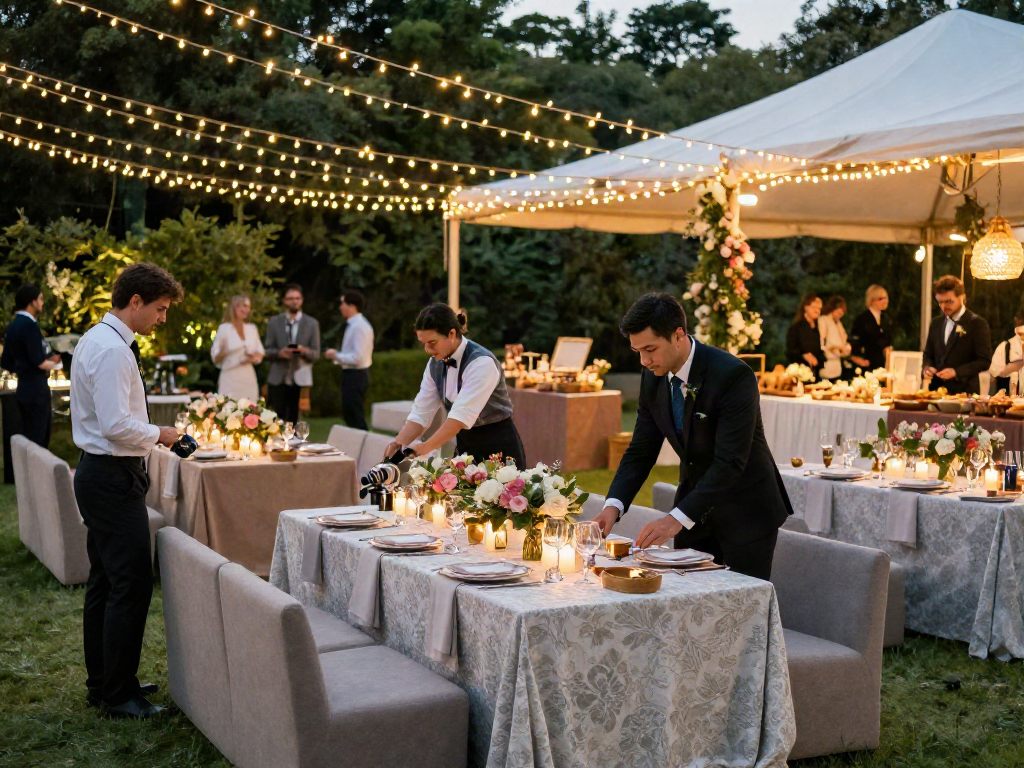
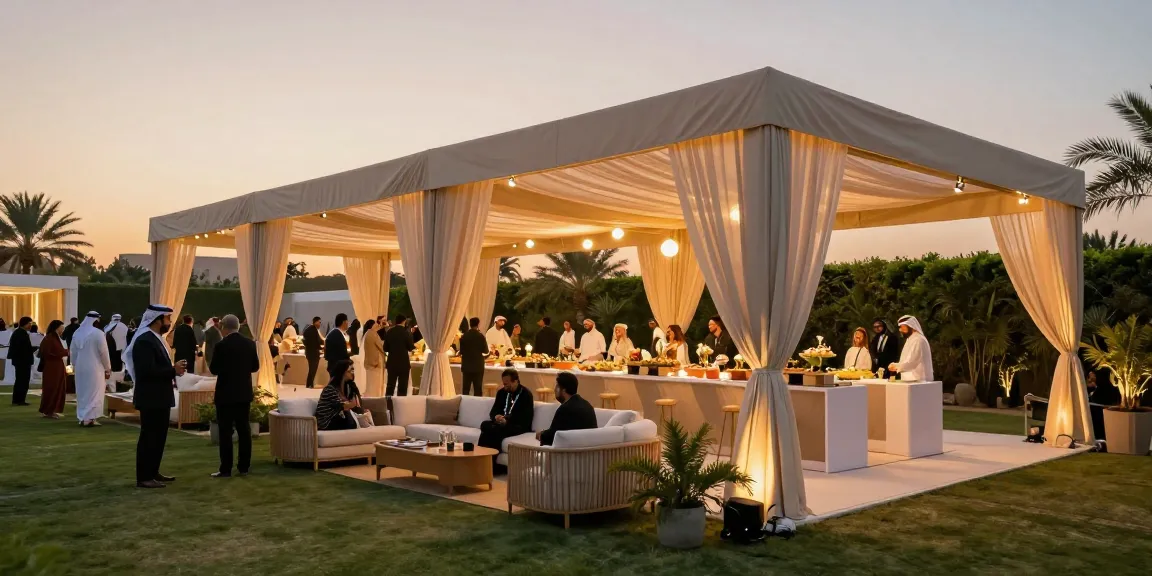
Physical space plays a bigger role in networking than most planners realize. Wide-open rooms with no clear gathering points leave attendees standing alone near the edges. Rooms with a few smaller, well-lit clusters, comfortable seating, and a natural flow toward food and drink stations give people a reason to stop moving and start talking.
Lighting, noise levels, and even the height of standing tables affect how comfortable people feel starting a conversation. A room that's too loud pushes people into short, shallow exchanges. A room with a quieter corner or a lounge area gives longer, more meaningful conversations room to happen.
The Follow-Up Matters More Than the Introduction
A connection made at an event means little without a follow-up. Psychologically, people remember the last interaction in a sequence more clearly than the middle, so how an event closes, and how quickly someone follows up afterward, shapes whether a new contact turns into an actual relationship.
Simple structures help here: a shared digital contact exchange at check-out, a same-week email summarizing the event, or a small gesture like sending a relevant article discussed during a conversation. These small actions signal genuine interest rather than a box-ticking exercise, and they cost far less effort than the initial introduction.
Building Networking Into the Event Itself
The strongest networking outcomes come from events designed around connection from the start, rather than treating it as a side activity between sessions. Structured activities such as roundtable discussions, curated matchmaking based on shared goals, or themed breakout rooms give attendees a reason to engage beyond standing near a stranger and hoping for the best.
Event organizers who understand these psychological patterns build agendas that create natural pauses for conversation, seat people deliberately rather than randomly, and design spaces that reduce the friction of that first approach. The difference shows up in attendee feedback long after the event ends, in the contacts people actually keep in touch with rather than the stack of cards left in a drawer.
Conclusion
Real connections at events come from psychology, not luck. Shared context, comfortable spaces, genuine listening, and a thoughtful follow-up matter more than a confident opening line or a polished pitch. Attendees remember how a conversation felt, not how it started. Organizations searching for corporate event companies in Dubai that understand this distinction find that the right event design turns a room full of strangers into a network of contacts that lasts well beyond the closing session.
Markable designs corporate events with these psychological patterns in mind, structuring layouts, breakout formats, and networking sessions that give attendees a genuine reason to connect rather than a forced icebreaker. Their approach to event design treats networking as a core part of the experience, not an afterthought squeezed between sessions.