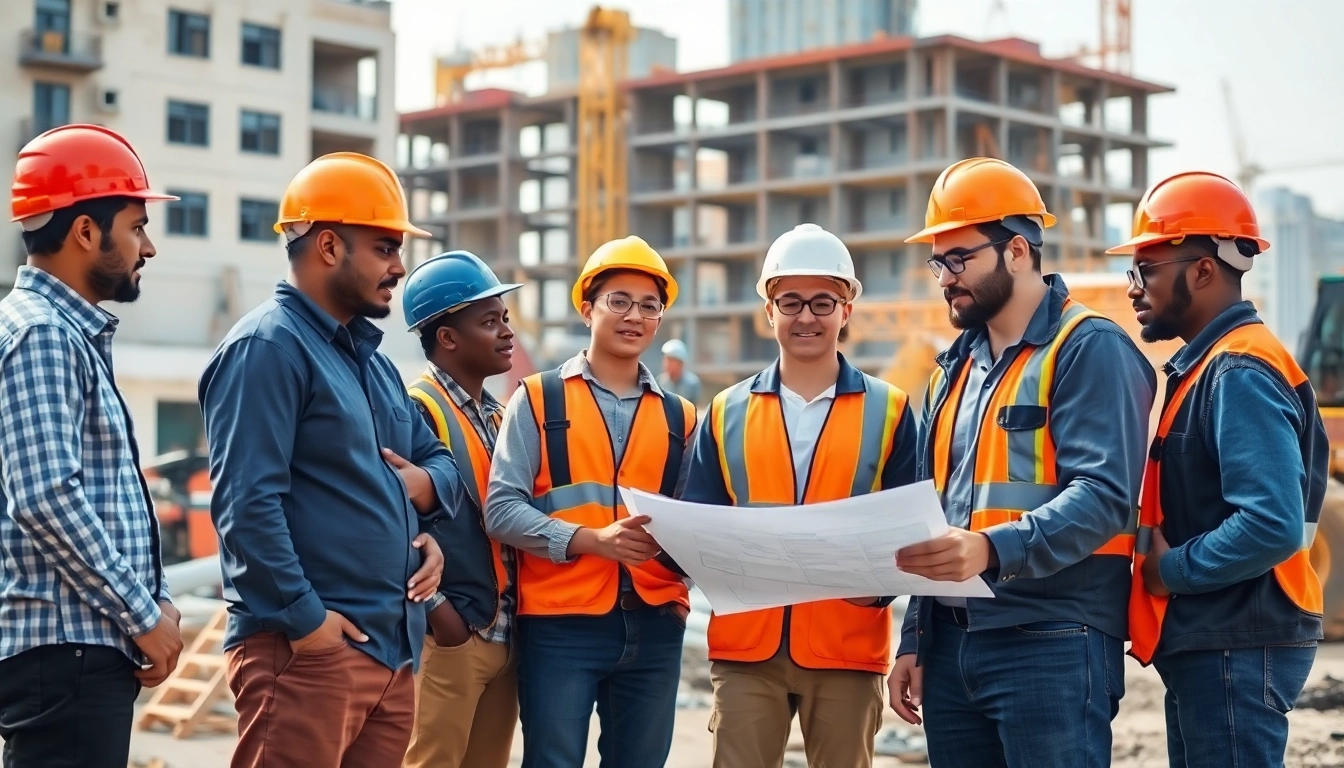

Understanding Construction Training
Construction training is an essential foundational element for anyone looking to establish a successful career in the construction industry. By obtaining the right training, you not only advance your skills but also enhance your employability. This comprehensive guide will delve into various aspects of construction training, ensuring you understand its importance, the programs available, and how to choose the right path for your career aspirations. Whether you are a novice looking to enter the field or a seasoned professional seeking to upgrade your skills, Construction training can pave the way for remarkable opportunities.
What is Construction Training?
Construction training refers to programs designed to equip individuals with the skills and knowledge necessary for various roles in the construction sector. These training programs can vary significantly, from short courses that offer essential skills to extensive programs that culminate in certifications or degrees. The goal of construction training is to prepare individuals for the practical aspects of construction work, including safety protocols, technical aspects of building, and problem-solving in construction scenarios.
Types of Construction Training Programs
Construction training can be categorized into several types, catering to different levels of expertise and specific job roles within the construction industry:
- Boot Camps: These intensive, short-term programs often last a few weeks and focus on providing essential skills needed for entry-level jobs.
- Degree Programs: Community colleges and universities offer associate’s and bachelor’s degrees in construction management, engineering, and architecture.
- Certification Programs: Many institutions provide specialized certifications in areas like safety management (e.g., OSHA training) and project management.
- Apprenticeships: These combine on-the-job training with classroom instruction, allowing participants to earn while they learn.
- Online Courses: Many organizations now offer virtual trainings to provide flexibility for learners. This includes platforms that deliver on-demand construction training resources.
Benefits of Construction Training
Engaging in construction training carries numerous benefits:
- Skill Development: Participants develop both hard (technical) and soft (interpersonal) skills that are critical in the workplace.
- Increased Employability: Completing training programs significantly enhances job prospects as employers look for skilled workers.
- Safety Awareness: Training emphasizes safety protocols, reducing the risk of accidents on job sites.
- Networking Opportunities: Many training programs provide access to professionals and companies in the industry, expanding career opportunities.
- Higher Earning Potential: Individuals who complete construction training typically qualify for higher-paying positions.
Key Skills Developed in Construction Training
Technical Skills in Construction
Technical skills are the backbone of any construction training program. These skills include:
- Blueprint Reading: Understanding construction plans and schematics is crucial for executing projects accurately.
- Tool Proficiency: Operative knowledge of tools and machinery ensures efficient workflow and safety on site.
- Construction Techniques: Mastering different construction techniques depending on the project type (e.g., residential, commercial).
- Project Management: Skills in planning, scheduling, and overseeing projects from inception to completion.
Soft Skills Essential for Construction Workers
In addition to technical capabilities, employers value soft skills that enhance workplace dynamics:
- Communication: Clear communication ensures all team members understand their roles and responsibilities, leading to more efficient project execution.
- Teamwork: Construction is inherently collaborative; being able to work effectively with others is vital.
- Problem-solving: Workers often face unexpected issues that require quick thinking and adaptability.
- Time Management: Meeting deadlines is crucial in construction work; thus, good time management helps in efficiently completing tasks.
Health and Safety Standards Training
Health and safety training is an integral part of construction training programs. With construction sites posing various hazards, understanding and adhering to safety protocols can prevent accidents and ensure compliance with regulations. Training may cover:
- OSHA Regulations: Recognizing Occupational Safety and Health Administration guidelines necessary for maintaining safe work environments.
- Hazard Recognition: Identifying potential risks on a job site to mitigate dangers proactively.
- Emergency Procedures: Knowing how to respond in case of accidents or emergencies to ensure worker safety.
How to Choose the Right Construction Training Program
Identifying Your Career Goals
The first step in selecting the right construction training program is understanding your career aspirations. Are you looking for entry-level skills or seeking a managerial role? Clarifying your goals helps narrow down your options effectively. Consider researching various roles in the industry to see what aligns with your ambitions.
Evaluating Program Accreditation and Recognition
Accreditation is a significant factor when choosing a training program. Ensure that the program is recognized by relevant industry bodies as this may impact your employment opportunities. Certification from reputable organizations serves as a mark of credibility and quality.
Understanding Costs and Funding Options
The cost of training can vary widely. It’s important to consider your budget and explore various funding options. Many institutions offer scholarships, grants, or loan options to help manage expenses. Some employers may also invest in employee training, leading to cost-effective pathways for career advancement.
Best Practices for Effective Construction Training
Utilizing Hands-On Learning Techniques
Hands-on learning experiences are fundamental to effective construction training. Incorporating simulations, real-world projects, and fieldwork into the curriculum allows trainees to apply theoretical knowledge and improve problem-solving skills. Programs should strive to balance classroom instruction with practical application.
Incorporating Safety Training in Programs
Safety cannot be overstated in the construction industry. Training programs must integrate comprehensive safety education into their curriculum. Regular updates on safety standards and practices should be part of ongoing training, ensuring workers remain knowledgeable about the best practices in health and safety.
Measuring Training Outcomes and Success
To ensure the effectiveness of construction training programs, institutions should implement methods to measure outcomes. Feedback mechanisms, assessments, and follow-up evaluations can gauge the training’s impact on job performance and career progression. Continuous improvement based on these metrics leads to better training experiences for future learners.
Frequently Asked Questions About Construction Training
What qualifications do I need to start construction training?
Typically, a high school diploma or GED is sufficient to begin construction training, although some programs may have additional prerequisites. Willingness to learn is essential.
How long does construction training typically take?
Training duration varies significantly; boot camps may last a few weeks, while degree programs can take up to four years. Certifications can usually be completed in a few months.
Are there free construction training resources available?
Many organizations and community colleges offer free or low-cost workshops and classes. Online resources and webinars also provide valuable training materials at no cost.
What jobs can I get after completing construction training?
Construction training can lead to roles such as carpenter, electrician, construction manager, and project coordinator, depending on the level and focus of your training.
How can construction training boost my earning potential?
Completing construction training enhances your skill set, making you more attractive to employers. As a result, trained individuals often qualify for higher-paying jobs and promotions.