Interior finishes influence the appearance, comfort, and long-term usability of residential and commercial spaces. Reliable gypsum solutions provide smooth surfaces and versatile finishing options, making them valuable for modern construction. Choosing products from experienced gypsum manufacturers can support consistent quality and dependable interior results.
Gypsum-based materials are used across walls, ceilings, partitions, and decorative features. Their performance depends on suitable product selection, proper surface preparation, accurate application, and appropriate finishing. When these factors are considered together, gypsum solutions can help create interiors that remain attractive, stable, and easier to maintain.
Understanding the Importance of Gypsum Solutions
Gypsum-based products have become an important part of interior construction because they combine practical performance with design flexibility. They can create smooth surfaces while supporting different architectural requirements, from simple wall finishes to detailed ceiling designs.
Their versatility makes them suitable for residential rooms, offices, retail spaces, hotels, and other interiors. However, achieving a durable result requires more than selecting a gypsum product. The substrate, application method, drying conditions, and final finishing process must also be considered carefully.
Major Applications in Interior Construction
Gypsum solutions can serve several purposes within an interior project. Their ability to provide smooth finishes and adaptable forms makes them useful for both functional construction and decorative applications.
Wall Plastering
Gypsum plaster can provide a smooth and even surface for interior walls. It helps reduce visible irregularities and creates a suitable base for paint and decorative coatings. Proper preparation and application are essential for achieving consistent thickness and a refined final appearance.
Ceiling Construction
Gypsum-based ceiling systems can introduce different levels, shapes, and lighting arrangements. They can also conceal electrical wiring, ducts, and other building services. A properly supported framework and accurate installation help maintain ceiling stability and reduce the possibility of cracks or uneven areas.
Interior Partitions
Gypsum boards are commonly used to create lightweight partitions in homes and commercial spaces. They allow rooms to be divided efficiently without relying on heavy construction methods. Proper joint treatment, framing, and finishing contribute to a stronger and cleaner partition system.
Decorative Elements
Gypsum can be shaped into moldings, cornices, niches, and other decorative features. These elements can add visual interest while complementing the overall interior design. Accurate measurements and careful finishing help maintain clean edges, balanced proportions, and consistent detailing.
Surface Refinement
Gypsum-based compounds can help create more uniform interior surfaces before applying decorative treatments. They can address minor irregularities and provide a smoother base for subsequent finishing. Correct application is important to avoid visible ridges, uneven areas, or surface weaknesses.
Material Selection and Application Quality
Selecting the right product is essential for a durable interior finish. Different applications require suitable formulations based on the surface, environment, and desired result. Reliable POP manufacturers offer options for varied applications, while proper storage helps maintain product quality.
Surface preparation is equally important. Removing dust, grease, loose particles, and dampness creates a clean, stable base for gypsum application. Proper preparation improves finishing quality and helps prevent premature surface defects.
Practices That Improve Finish Durability
Durable interior finishes depend heavily on correct application practices. Mix materials according to the manufacturer's instructions, apply them at the correct thickness, and allow sufficient drying time before adding additional finishing layers.
Proper Mixing
Consistent mixing helps maintain the intended workability and performance of gypsum-based materials. Incorrect proportions can affect application and drying characteristics. Following the recommended preparation method supports smoother application and reduces unnecessary material wastage.
Controlled Application
Applying the material evenly helps create a uniform surface. Excessive thickness in certain areas can contribute to uneven drying or cracking, while insufficient coverage may leave imperfections visible. Skilled application helps maintain consistency across the entire surface.
Suitable Drying Conditions
Adequate drying is important before painting or applying additional finishes. Excessive humidity, poor ventilation, or unsuitable temperatures can interfere with drying. Allowing sufficient time for the material to set helps protect the quality of the finished surface.
Careful Joint Treatment
Joints between boards or different surface sections require proper treatment to achieve a seamless appearance. Correct joint filling and finishing reduce visible lines and help minimize the possibility of surface cracking.
Final Surface Finishing
Smoothing and correcting minor imperfections before decoration creates a better base for paint or other coatings. Careful finishing helps reduce visible marks and improves light reflection across the surface.
Environmental Factors and Long-Term Performance
Interior conditions can influence the durability of gypsum finishes. Persistent moisture, leaks, condensation, and excessive humidity can gradually affect surfaces, particularly when the underlying problem is not addressed.
Before installation, assess areas exposed to moisture and complete any necessary corrective measures. Appropriate ventilation can also help maintain more stable indoor conditions. Selecting products suited to the environment further reduces the possibility of premature deterioration.
Practical Benefits of Quality Gypsum Materials
High-quality gypsum solutions can provide several practical advantages when correctly selected and installed. They support smooth surfaces while offering flexibility for different architectural and decorative requirements.
- Smooth and consistent interior surfaces
- Flexible applications for walls and ceilings
- Suitable base for painting and decoration
- Lightweight options for partitions and ceilings
- Support for concealed electrical and ventilation services
- Adaptable designs for modern interiors
- Easier maintenance of properly finished surfaces
These benefits make gypsum solutions useful for projects that require a balance between appearance, functionality, and long-term performance. Proper material selection and installation remain essential to achieving these advantages.
Maintaining Durable Interior Finishes
Regular maintenance helps preserve the appearance and performance of gypsum-based surfaces after installation. Remove dust and minor marks with suitable cleaning methods, and address cracks, stains, or damaged areas promptly.
Good indoor ventilation and moisture control can further protect interior finishes. Periodic observation can help identify small problems before they become more extensive. Timely maintenance supports a cleaner appearance and can reduce the need for major repairs or replacement.
Conclusion
Gypsum solutions play an important role in creating smooth, durable, and versatile interior finishes. From wall plastering and ceiling construction to partitions and decorative details, their effectiveness depends on appropriate material selection, proper preparation, accurate application, and suitable maintenance.
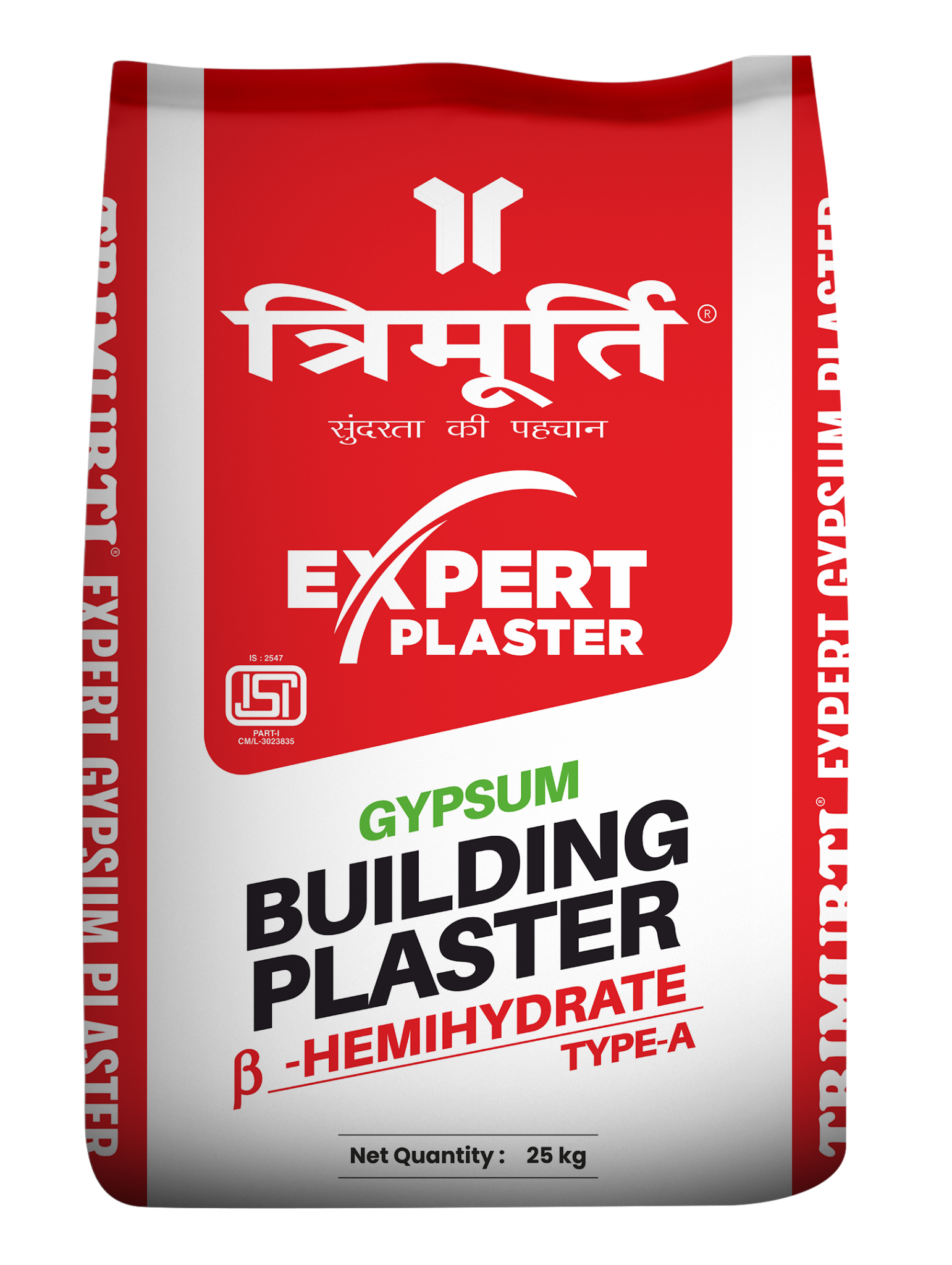
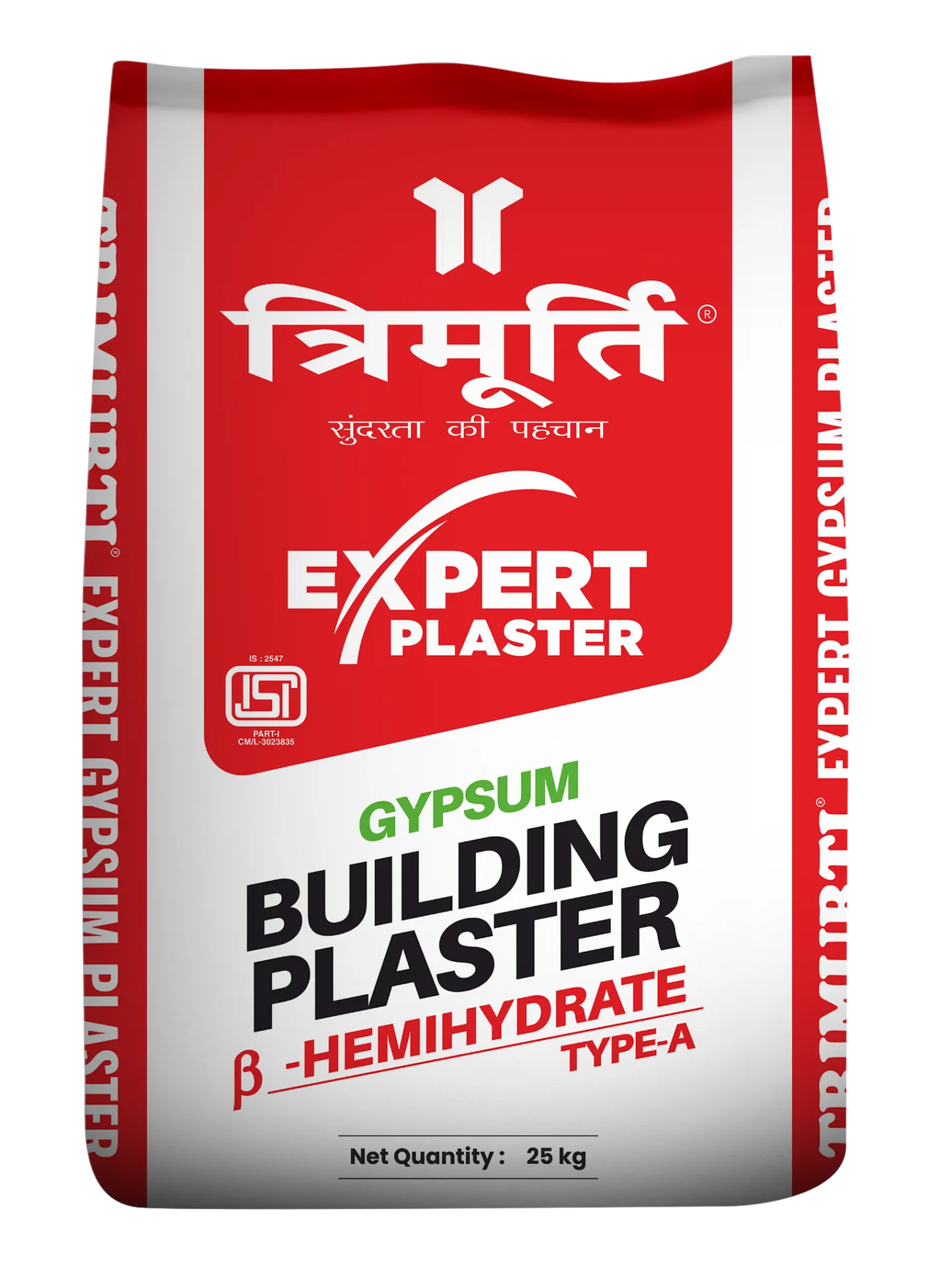
For projects seeking dependable construction and finishing solutions, Trimurti Products provides materials suited to varied interior requirements. Alongside gypsum-based solutions, trimurti waterproof putty can support surface-finishing applications where a refined finish and added protection are required.